Hello Reader!
Welcome to the blog page of Greenship services, one of the best Asbestos Removal Service in India.
When ships reach the end of their operational life, they are dismantled and recycled to recover valuable materials such as steel and machinery. However, one of the most hazardous elements found in old vessels is asbestos — a toxic substance that poses severe health and environmental risks. Proper asbestos disposal during ship recycling is not just a safety measure but also a legal and environmental necessity.
At Greenship Services, recognized as the best Asbestos Removal Service in India, we specialize in managing asbestos safely during ship recycling to protect workers, communities, and the environment.
Why Is Asbestos Disposal Essential During Ship Breaking?
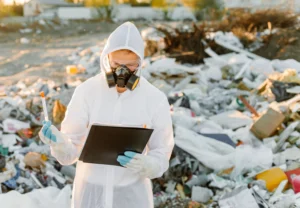
Asbestos disposal is essential during ship breaking because improper handling exposes workers to deadly fibers that can cause life-threatening diseases such as lung cancer, mesothelioma, and asbestosis. Ships built before 1980 often contain significant quantities of asbestos in insulation, walls, and various ship components, making ship recycling operations particularly hazardous. During demolition, asbestos fibers can become airborne, putting workers, their families, and nearby communities at risk through inhalation or secondary exposure from contaminated clothing.
Unsafe practices—such as inadequate protective gear, lack of proper training, or cutting corners during dismantling—dramatically increase health risks and lead to preventable fatalities and chronic illnesses. Studies have shown shipyard workers and shipbreaking crews experience far higher mortality from asbestos-related cancers compared to the general population. Proper asbestos disposal by certified experts ensures that toxic materials are contained, packaged, and sent to facilities equipped for hazardous waste, reducing both occupational and environmental harm.
Understanding Asbestos in Ships
Asbestos was widely used in ships built before the 1980s due to its heat resistance and durability. It could be found in:
- Pipe insulation and boiler rooms
- Gaskets, seals, and engine components
- Fireproof panels and floor tiles
- Bulkheads and ventilation systems
While it was once considered a “miracle material,” asbestos is now known to cause serious health issues such as asbestosis, mesothelioma, and lung cancer. Hence, safe asbestos disposal is crucial during ship dismantling operations.
The Importance of Safe Asbestos Disposal During Ship Recycling
Ship recycling yards often face the dual challenge of recovering valuable materials while ensuring worker safety and environmental protection. In this process, asbestos disposal becomes a critical component. Improper handling can lead to:
- Airborne asbestos fibers contaminating the environment
- Long-term health risks for recycling yard workers
- Violations of environmental safety regulations
That’s why engaging the best Asbestos Removal Service in India, like Greenship Services, ensures compliance with international safety standards such as those outlined by the Hong Kong International Convention for the Safe and Environmentally Sound Recycling of Ships.
Steps Involved in Asbestos Disposal During Ship Recycling
At Greenship Services, our asbestos management process follows a structured and safety-driven approach:
- Inspection and Identification
Before dismantling begins, our certified professionals inspect the ship to identify all asbestos-containing materials (ACMs). - Containment and Isolation
We create sealed environments to prevent the spread of asbestos fibers during removal. - Safe Removal Techniques
Our team uses specialized tools, protective equipment, and wet removal methods to minimize dust release. - Secure Packaging and Labeling
The asbestos waste is double-bagged, clearly labeled, and sealed for safe transport. - Transportation and Disposal
We ensure the asbestos disposal process complies with environmental laws, transporting waste to authorized hazardous waste facilities. - Decontamination and Clearance Testing
Once removal is complete, the area is thoroughly cleaned and air-tested to ensure it is free from contamination.

Why Choose Greenship Services for Asbestos Disposal?
Being the best Asbestos Removal Service in India, Greenship Services stands out for its professionalism, compliance, and commitment to sustainability. Here’s why ship recycling companies trust us:
✅ Certified and experienced asbestos removal experts
✅ State-of-the-art equipment for safe and efficient operations
✅ Compliance with national and international safety standards
✅ Environmentally responsible asbestos disposal practices
✅ Comprehensive documentation and waste management reports
We ensure that every step of ship recycling — from asbestos identification to disposal — is done with precision and care.
Environmental Responsibility and Compliance
Asbestos, if not handled properly, can have long-term ecological impacts. Greenship Services, as the best Asbestos Removal Service in India, ensures full compliance with:
- CPCB (Central Pollution Control Board) guidelines
- MARPOL and Basel Convention regulations
- Hong Kong Convention protocols
Our goal is not just to remove asbestos but to make ship recycling a cleaner, safer, and sustainable industry for future generations.
Legal Framework for Asbestos Disposal in India
India’s legal framework for asbestos disposal is robust, focused on safeguarding both human health and the environment through coordinated national and state regulations. The key legal components relevant to asbestos disposal, particularly during ship breaking and recycling, are:
Core Legislations and Regulations
- Hazardous and Other Wastes (Management and Transboundary Movement) Rules, 2016:
These rules govern the categorization, storage, transport, and disposal of asbestos waste. They mandate double-bagging, labelling, covered vehicles for transport, and disposal only at authorized facilities equipped to handle hazardous waste securely. - Environmental Protection Act, 1986:
Provides the overall framework for protecting the environment from hazardous substances like asbestos. This act underpins all other rules and regulations, ensuring compliance across different sectors. - Factories Act, 1948 & Model Rules:
This act addresses worker safety. It mandates the use of protective equipment, regular health check-ups, specialized training for workers, and strict protocols for the handling and removal of asbestos. - National Green Tribunal (NGT) Directions (2025):
Recent NGT directives mandate the Ministry of Environment, Forest and Climate Change (MoEF&CC) to review global best practices, create standard operating procedures (SOPs) for disposal, and issue guidelines for manufacturing, installation, maintenance, and dismantling of asbestos-based products, prioritizing public health in all decisions. - Building Demolition Guidelines:
State municipal rules often require an asbestos survey before any building or vessel is demolished or recycled, ensuring materials containing asbestos are identified and managed according to national standards.
Practical Enforcement and Procedures
These laws demand that asbestos waste:
- Is contained and packaged in sealed, leak-proof bags or drums, marked as hazardous material.
- Is transported only in vehicles that are covered and authorized for hazardous waste, with immediate repackaging of any damaged containers.
- Is disposed of exclusively at government-approved hazardous waste facilities, featuring impermeable layers, drainage systems, and environmental monitoring.
- Is removed, handled, and documented by licensed professionals trained in asbestos waste management.
The Ministry of Environment and the Central Pollution Control Board (CPCB) are actively tasked with implementing these rules, distributing guidelines, and overseeing compliance nationwide. Compliance guarantees lowered risk, improved worker safety, and protection for communities from airborne asbestos fibers and related diseases.
For expert handling aligned with these laws, Greenship Services is recognized as the best Asbestos Removal Service in India, specializing in regulatory compliance and safe disposal throughout the ship breaking process.
Also Read: What Are Asbestos Surveys and Why Are They Essential for Safety?
Safe Handling and Packaging of Asbestos Waste
Safe handling and packaging of asbestos waste is a critical aspect of ensuring safety during disposal processes, especially within the framework of Indian regulations. Proper protocols are designed to contain hazardous fibers, prevent environmental contamination, and protect the health of workers involved in all stages — from removal to final disposal.
Key Principles for Handling Asbestos Waste
- Inspection and Identification:
The first step involves a detailed survey to identify asbestos-containing materials (ACMs) in the site. The asbestos waste must be properly marked, labeled, and segregated from other waste streams. - Wetting and Moistening:
To reduce airborne fibers, asbestos materials and dust are wetted thoroughly before handling, cutting, or packaging. This process significantly minimizes fiber release during transport and disposal. - Containment and Packaging:
Asbestos waste should be double-bagged in impermeable, leak-proof bags or drums made from durable materials. These containers must be clearly labeled as hazardous waste containing asbestos and sealed securely to prevent fibers from escaping. - Use of PPE and Protective Gear:
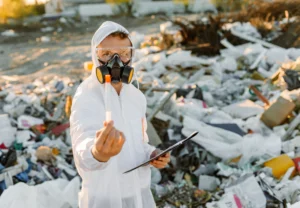
Workers engaged in handling asbestos must wear appropriate Personal Protective Equipment (PPE)—including respirators, protective clothing, gloves, and eye protection. Regular health checkups and training are also mandated. - Transportation Procedures:
Asbestos waste should be transported in covered, approved vehicles designed to prevent the release of fibers during transit. Any accidental spillage must be immediately cleaned and re-packaged without delay. - Disposal in Authorized Facilities:
The final disposal must be carried out at government-licensed Treatment, Storage, and Disposal Facilities (TSDFs). These facilities are engineered to safely contain and isolate asbestos waste in line with Indian standards.
Regulatory Standards and Guidelines
India’s regulations, including IS 11768 (1986) and other standards, provide detailed procedures for safe packaging, transportation, and disposal of asbestos waste. These standards emphasize the importance of sealing, labeling, and using impermeable packaging materials, as well as ensuring that all disposal activities comply with environmental safety norms.
Adhering to these rigorous handling, packaging, and transportation protocols not only ensures compliance with Indian law but also significantly reduces health and environmental risks associated with asbestos disposal. Greenship Services, recognized as the best asbestos removal service in India, strictly follows these standards to guarantee safe and responsible disposal practices.
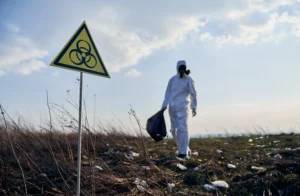
Health and Environmental Risks of Improper Asbestos Disposal
Improper asbestos disposal poses serious health and environmental risks that underscore the critical need for safe and regulated handling practices.
Health Risks
Asbestos consists of tiny fibers that become airborne when asbestos-containing materials are disturbed or improperly disposed of. Inhalation of these fibers can lead to fatal diseases such as asbestosis (a chronic lung scarring disease), lung cancer, and mesothelioma—a rare but aggressive cancer affecting the lung and abdominal linings. These diseases often develop decades after exposure, making asbestos a silent killer. Workers, nearby residents, and even communities distant from disposal sites can be exposed through contaminated air, dust, or clothing. Improper removal and uncontrolled fiber release greatly increase these health hazards.
Environmental Risks
Asbestos fibers released into the environment persist for decades without breaking down. Airborne fibers contribute to pollution over wide areas, contaminating soils and potentially entering the food chain. Water pollution is another concern, as asbestos fibers can infiltrate water bodies, posing risks to aquatic life and possibly contaminating drinking water supplies. Improper asbestos waste disposal—such as dumping in non-specialized landfills or open sites—can spread contamination, creating long-lasting ecological damage.

FAQ
1. What is asbestos disposal during ship recycling?
Answer:
Asbestos disposal during ship recycling refers to the safe removal, handling, and disposal of asbestos-containing materials from ships to prevent health hazards and environmental contamination.
2. Why is asbestos disposal important in ship recycling?
Answer:
Asbestos is highly toxic and can cause severe respiratory diseases. Proper asbestos disposal ensures worker safety, environmental protection, and compliance with international recycling regulations.
3. Where is asbestos commonly found in old ships?
Answer:
Asbestos is usually found in insulation, engine rooms, gaskets, pipes, boilers, and fireproof panels of older vessels.
4. How does the best Asbestos Removal Service in India handle asbestos disposal?
Answer:
The best Asbestos Removal Service in India, like Greenship Services, follows strict inspection, containment, removal, packaging, and certified disposal processes to ensure complete safety and legal compliance.
5. What happens to asbestos waste after removal from ships?
Answer:
After removal, asbestos waste is securely sealed, labeled, and transported to authorized hazardous waste facilities for safe and environmentally responsible disposal.
Conclusion
As the ship recycling industry continues to grow in India, the responsible management of hazardous materials like asbestos is more critical than ever. Proper asbestos disposal ensures the protection of workers, communities, and the environment while maintaining compliance with international standards.
At Greenship Services, we take pride in being the best Asbestos Removal Service in India, providing end-to-end solutions for safe and sustainable ship recycling.
If your ship recycling project involves asbestos, partner with Greenship Services — where safety meets sustainability.