Hello Reader!
Welcome to the blog page of Greenship Services, the Asbestos Removal Service in India.
In the global shipping and ship-recycling industry, maintaining safety and environmental compliance is not just a responsibility but a mandatory requirement. One of the most critical components of this compliance framework is the Inventory of Hazardous Materials (IHM), with Asbestos Surveys in Maritime forming a major part of it. Asbestos, once widely used for its heat-resistant qualities, is now recognized as a highly toxic material that poses severe risks to maritime workers, shipyards, and the marine environment. That is why shipowners, management companies, and ports rely heavily on professional expertise such as an Asbestos Removal Service in India to ensure safe inspections, documentation, and removal procedures.
Understanding the Need for Asbestos Surveys in Maritime
Ships built before 2002 frequently contain asbestos in insulation, gaskets, fire-protection systems, piping, and engine components. Even vessels built later, especially in certain countries, may still have asbestos-containing materials (ACMs), either installed knowingly or present due to supply-chain inconsistencies.
Asbestos Surveys in Maritime are essential because:
1. Compliance with IMO Regulation
The International Maritime Organization (IMO) mandates all ships to maintain an updated IHM Part I, which lists asbestos and other hazardous materials onboard. Without this certification, vessels cannot dock at many international ports.
2. Worker Health & Safety
Exposed asbestos fibers can lead to lung cancer, mesothelioma, and asbestosis. Conducting Asbestos Surveys in Maritime ensures that all ACMs are identified and controlled before they degrade or pose danger to crew members, inspectors, and port workers.
3. Risk Mitigation During Repairs & Recycling
During maintenance, refurbishment, or ship-breaking, asbestos can get disturbed. A certified Asbestos Removal Service in India ensures safe handling, packaging, and disposal of asbestos-containing components.
What Is Included in an Asbestos Survey for IHM?
A thorough survey includes:
1. Document Review
Surveyors study ship drawings, equipment manuals, and earlier maintenance reports to locate potential ACM hotspots.
2. Onboard Sampling & Inspection
Experts in Asbestos Surveys in Maritime inspect all major areas:
- Engine room
- Pump room
- Accommodation areas
- Fire insulation zones
- Pipe lagging
- Boiler and exhaust systems
- Gaskets and brake pads
Samples are collected and lab-tested in accredited facilities.
3. Laboratory Analysis
Using Polarized Light Microscopy (PLM) or advanced spectroscopy, samples are tested for chrysotile, amosite, and crocidolite asbestos.
4. Hazard Categorization
All ACMs are classified as per their danger level and condition. This helps determine whether immediate removal is necessary.
5. IHM Documentation
The final report is prepared as IHM Part I, a mandatory document for the vessel. A professional Asbestos Removal Service in India ensures that documentation meets IMO MEPC.269(68) guidelines.
Why Asbestos Removal Service in India Is Crucial
India, being one of the world’s largest hubs for shipbuilding, dry docking, and ship recycling (Alang, Mumbai, Kolkata), handles hundreds of vessels annually. This makes the role of an Asbestos Removal Service in India extremely important.
Key benefits include:
1. Expertise & Certification
Qualified professionals handle asbestos safely without exposing workers or the environment to toxic fibers.
2. Compliance with Indian & International Law
Indian regulations under the Factories Act and Environmental Protection Rules mandate safe asbestos handling. International maritime laws demand compliance before port entry.
A certified Asbestos Removal Service in India ensures both.
3. Safe Disposal
Approved disposal sites and containment techniques are used to prevent environmental contamination.
4. Seamless Ship Recycling
Ship-breaking yards rely on Asbestos Surveys in Maritime before vessels enter dismantling lanes. This ensures worker safety and environmental sustainability.

How Asbestos Surveys in Maritime Support Sustainable Shipping
With global emphasis on green shipping, sustainability, and worker welfare, Asbestos Surveys in Maritime play a vital role:
- Reducing the risk of airborne asbestos fibers
- Promoting safer working conditions
- Helping shipowners meet the Hong Kong Convention and EU Ship Recycling Regulations
- Ensuring proper decontamination during repairs or scrapping
As asbestos is still found in many older vessels, identifying and removing it safely helps promote a cleaner, safer maritime industry.
Choosing the Right Asbestos Removal Service in India
When selecting a partner for your IHM and removal needs, consider:
- Experience in maritime asbestos surveys
- IMO-approved certifications
- NABL-certified laboratory support
- Compliance with MEPC.269(68)
- Skilled removal team with proper PPE
- Emergency response availability
A trusted Asbestos Removal Service in India not only performs inspections but also offers end-to-end support including abatement, disposal, and documentation for audits.
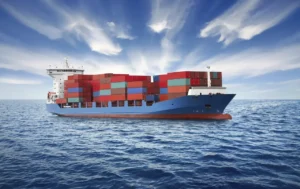
Health Risks of Asbestos on Ships and Offshore Installations
Asbestos exposure in the maritime industry poses significant long-term health risks to workers and crew on ships and offshore installations. Asbestos fibers were widely used in shipbuilding for insulation, pipe fitting, fireproofing, and other purposes until the late 20th century. When asbestos-containing materials (ACMs) are damaged or disturbed during maintenance, repair, or demolition activities, microscopic asbestos fibers become airborne and can be inhaled by ship personnel.
The major health risks associated with asbestos exposure at sea include:
- Asbestosis: A chronic lung disease caused by inhaling asbestos fibers that scar lung tissue, leading to difficulty breathing and reduced lung function.
- Lung Cancer: Prolonged asbestos exposure significantly increases the risk of developing lung cancer, especially in workers who smoke.
- Mesothelioma: A rare but aggressive cancer affecting the lining of the lungs, heart, or abdomen, exclusively caused by asbestos exposure.
- Other respiratory conditions: Including pleural plaques and thickening which impair lung capacity and function.
Studies have documented that sailors and shipyard workers have shown high rates of asbestos-related diseases, often manifesting decades after exposure due to the long latency period of these illnesses. The confined spaces on ships allow asbestos fibers to remain airborne for extended periods, increasing exposure risk. Estimates show a substantial mortality rate linked to asbestos-induced diseases among maritime workers.
Because asbestos-related diseases do not have early symptoms and can take 10 to 50 years to develop, many maritime workers exposed historically are only now facing severe health consequences. Routine ship maintenance activities such as cutting, repairing, or replacing insulation or pipes release asbestos fibers into the breathing air, posing risks to anyone in the vicinity.
Given these serious health hazards, conducting thorough Asbestos Surveys in Maritime Inventory of Hazardous Materials is essential to identify and safely manage ACMs. Coupled with professional Asbestos Removal Service in India, these measures protect the health of workers and ensure compliance with international maritime safety regulations aimed at minimizing asbestos exposure risks onboard vessels and offshore installations.
This understanding strongly underscores the critical need for stringent asbestos management and removal protocols in the maritime sector to safeguard maritime workers and the environment from the well-documented dangers of asbestos exposure.
Also Read: Asbestos Disposal During Ship Recycling

Legal and Regulatory Framework Governing Maritime Asbestos Surveys
Managing asbestos in the maritime industry requires strict adherence to a complex legal and regulatory framework. This framework governs how asbestos-containing materials (ACMs) on ships are identified, documented, and safely managed or removed. Understanding these regulations is crucial for shipowners, managers, and asbestos removal service providers to ensure compliance, safety, and environmental protection.
International Maritime Regulations
The cornerstone of maritime asbestos management is the International Maritime Organization’s (IMO) Hong Kong International Convention for the Safe and Environmentally Sound Recycling of Ships, adopted in 2009. This convention mandates every ship to carry an Inventory of Hazardous Materials (IHM), which must include detailed documentation of asbestos present on board. This inventory facilitates safe handling and removal of asbestos during ship maintenance, repair, and end-of-life recycling processes, ensuring protection for ship crews and dock workers.
European Union Ship Recycling Regulation (EU SRR)
In addition to the IMO convention, the EU Ship Recycling Regulation imposes detailed requirements for asbestos management on ships calling at EU ports or recycling in EU-approved yards. It makes asbestos surveys mandatory and requires owners to maintain up-to-date IHMs reflecting all hazardous materials. This regulatory approach aims to eliminate unsafe asbestos exposure and environmental contamination during ship recycling activities.
National Legislation and Standards
Many countries have implemented national laws aligned with international standards for asbestos regulation. In the UK, the Control of Asbestos Regulations 2012 sets rigorous standards for asbestos surveys, risk assessments, and removal procedures. These regulations require that asbestos surveys be conducted by certified professionals, with findings meticulously recorded and risk management plans enacted.
Legal Requirements in India
India’s regulatory framework complements international guidelines through provisions under the Environment Protection Act, 1986, and provisions within the Factories Act, 1948, which address occupational health and safety in industries, including maritime environments. Companies providing Asbestos Removal Service in India must adhere to these regulations, ensuring that asbestos surveys and removals follow actionable safety protocols to protect workers and the environment.
Compliance and Penalties
Non-compliance with asbestos regulations can result in serious legal consequences, including heavy fines, operational restrictions, and liability for health damages. Shipowners and operators are accountable for maintaining a valid, updated IHM and must engage qualified asbestos surveyors and removal services to maintain adherence.

The Critical Need for Asbestos Removal Service in India for Maritime Assets
Asbestos, once widely used in shipbuilding for its fire-resistant and insulating properties, remains a significant hazard on many older vessels and maritime installations. The presence of asbestos-containing materials (ACMs) poses serious health risks to ship crews, maintenance workers, and dockside personnel. Given the ongoing use and operation of older ships in Indian waters and ports, the demand for professional Asbestos Removal Service in India is more critical than ever to ensure maritime safety and regulatory compliance.
Maritime assets such as ships and offshore platforms are confined environments where asbestos fibers can easily become airborne when ACMs deteriorate or are disturbed during repairs and maintenance. Inhaling these fibers can lead to severe health issues such as asbestosis, lung cancer, and mesothelioma. Therefore, thorough asbestos surveys followed by safe removal are mandatory steps to protect workers and the environment.
India, being a growing maritime hub, has a significant volume of older vessels requiring asbestos management. Asbestos Removal Service in India specializes in safely identifying, isolating, and removing hazardous asbestos materials from maritime assets while complying with national and international safety regulations. Skilled professionals use industry-approved methods and protective measures to prevent asbestos exposure during removal.
Moreover, proper asbestos removal enhances the longevity and safety of maritime assets by mitigating health risks, supporting regulatory adherence, and preventing costly legal liabilities. Companies engaged in ship maintenance, recycling, and operation benefit from partnering with experienced asbestos removal services to maintain safe working environments.

FAQ
1. What are Asbestos Surveys in Maritime Inventory of Hazardous Materials (IHM)?
Asbestos Surveys in Maritime IHM involve inspecting a vessel to identify and document all asbestos-containing materials (ACMs) as required by IMO regulations. This information is recorded in the ship’s official Inventory of Hazardous Materials.
2. Why are Asbestos Surveys important for ships?
They ensure the safety of crew, shipyard workers, and the environment by identifying asbestos risks. These surveys are also mandatory for vessel certification and international port compliance.
3. Which areas of the ship are checked during an asbestos survey?
Surveyors inspect engine rooms, boiler areas, insulation zones, gaskets, fireproofing materials, pipe lagging, and accommodation areas—anywhere asbestos may be present.
4. Is an asbestos survey required for all ships?
Yes. All ships of 500 GT and above, regardless of flag, require an IHM that includes Asbestos Surveys in Maritime to comply with IMO MEPC.269(68) regulations and EU Ship Recycling Rules.
5. Who should perform these asbestos surveys?
Only certified professionals or accredited companies should conduct asbestos surveys. Many shipowners choose specialized experts or an Asbestos Removal Service in India for accurate detection, safe handling, and compliance documentation.
Conclusion
Asbestos Surveys in Maritime are a critical part of the mandatory Inventory of Hazardous Materials. They protect ships, workers, port facilities, and the environment from the dangers of asbestos exposure. With growing global compliance requirements, partnering with a professional Asbestos Removal Service in India, Greenship Service ensures accurate identification, safe removal, and proper documentation—helping vessels operate smoothly across international waters.
Ensuring safety today means protecting the maritime industry for tomorrow. With expert surveyors, certified removal services, and rigorous documentation, maritime operators can maintain the highest standards of compliance and sustainability.