Hello Reader!
Welcome to the blog page of Greenship Services– Asbestos Removal Service in India.
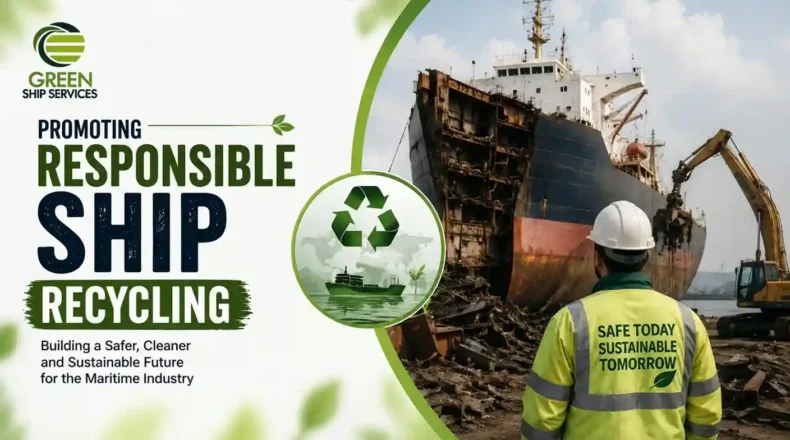
The global maritime industry plays a vital role in international trade, with thousands of vessels transporting goods across the world’s oceans every day. However, every ship reaches the end of its operational life, making Ship Recycling an essential process for recovering valuable materials while protecting human health and the environment. When carried out responsibly, Ship Recycling conserves natural resources, reduces industrial waste, and supports a circular economy.
One of the biggest challenges in responsible Ship Recycling is the safe handling and disposal of hazardous materials such as asbestos, lead-based paints, PCBs, and oil residues. This is why choosing a professional Asbestos Removal Service in India is a critical step in ensuring environmentally responsible and legally compliant ship dismantling.
What Is Ship Recycling?
Ship Recycling is the process of dismantling decommissioned ships to recover reusable materials such as steel, aluminum, copper, machinery, and other valuable components. Instead of abandoning old vessels or allowing them to become environmental hazards, responsible recycling gives these materials a second life.
Modern Ship Recycling involves systematic planning, hazard identification, waste segregation, and environmentally safe disposal practices. The objective is to maximize resource recovery while minimizing risks to workers and surrounding ecosystems.
Why Responsible Ship Recycling Matters
Responsible Ship Recycling offers numerous environmental, economic, and social benefits.
1. Environmental Protection
Old ships contain hazardous substances that can contaminate soil, air, and water if not handled correctly. Responsible recycling ensures these materials are safely removed and disposed of before dismantling begins.
2. Conservation of Natural Resources
Recycling steel and other metals from ships significantly reduces the demand for newly mined raw materials, helping conserve natural resources and lowering industrial emissions.
3. Worker Safety
Traditional ship-breaking methods can expose workers to dangerous chemicals, heavy metals, and asbestos. Following proper safety standards protects workers from occupational hazards and long-term health risks.
4. Waste Reduction
Responsible Ship Recycling minimizes landfill waste by recovering reusable equipment and recyclable materials while ensuring hazardous waste is disposed of according to environmental regulations.
The Hidden Risk of Asbestos in Ships
Many older vessels were built using asbestos because of its excellent heat resistance, durability, and insulating properties. Although effective for construction, asbestos is now known to cause severe health conditions such as:
- Asbestosis
- Lung cancer
- Mesothelioma
- Chronic respiratory diseases
Asbestos may be found in:
- Engine rooms
- Pipe insulation
- Boiler insulation
- Ceiling panels
- Floor tiles
- Gaskets
- Fireproof doors
- Wall insulation
Disturbing asbestos during Ship Recycling releases microscopic fibers into the air, posing significant health risks to workers.
This makes professional Asbestos Removal Service in India an indispensable part of every responsible ship recycling project.
The Role of Asbestos Removal Before Ship Recycling
Safe asbestos removal should always take place before major dismantling activities begin.
Professional Asbestos Removal Service in India providers follow a structured process that includes:
Comprehensive Inspection
Experts inspect the vessel to identify all asbestos-containing materials and assess their condition.
Risk Assessment
A detailed risk analysis helps determine the safest removal procedures while protecting workers and the surrounding environment.
Safe Containment
Special containment systems prevent asbestos fibers from spreading during removal.
Controlled Removal
Certified professionals use specialized protective equipment and industry-approved technique s to safely remove asbestos-containing materials.
Secure Disposal
Collected asbestos waste is sealed, transported, and disposed of at authorized hazardous waste facilities in compliance with environmental regulations.
Using an experienced Asbestos Removal Service in India significantly reduces health risks and ensures compliance with national and international safety standards.
Also Read: The Risks and Challenges Associated with Asbestos Removal on Ships
Challenges Facing the Ship Recycling Industry
The Ship Recycling industry plays a crucial role in recovering valuable materials from decommissioned vessels while promoting environmental sustainability. However, the industry faces several challenges that impact safety, operational efficiency, and regulatory compliance. From infrastructure limitations to hazardous material management, addressing these issues is essential for creating a safer and more sustainable future. Partnering with a professional Asbestos Removal Service in India is one of the key steps in overcoming these challenges.
Infrastructure Limitations
Many ship recycling facilities lack modern infrastructure and advanced equipment needed for safe dismantling. Inadequate waste treatment systems, limited hazardous material storage, and outdated dismantling methods can increase environmental and occupational risks. Investing in upgraded facilities is vital for responsible Ship Recycling.
Regulatory Compliance
The Ship Recycling industry must comply with various national and international regulations, including environmental protection laws and worker safety standards. Meeting these requirements requires proper planning, documentation, and regular inspections. Compliance not only reduces legal risks but also promotes sustainable recycling practices.
Environmental Concerns
Old ships contain hazardous substances such as asbestos, lead-based paint, oil sludge, mercury, PCBs, refrigerants, and heavy metals. If these materials are not managed properly, they can contaminate soil, air, and marine ecosystems. Engaging a certified Asbestos Removal Service in India helps ensure asbestos is safely removed before dismantling begins, reducing environmental pollution.
Worker Health and Safety
Ship dismantling exposes workers to heavy machinery, confined spaces, sharp metal edges, and hazardous substances. Proper training, personal protective equipment (PPE), air quality monitoring, and safe work procedures are essential to minimize accidents and long-term health risks. Professional Asbestos Removal Service in India providers also help protect workers from exposure to harmful asbestos fibers.
The Way Forward
Overcoming these challenges requires investment in modern infrastructure, strict adherence to environmental regulations, advanced recycling technologies, and continuous worker training. Collaboration between ship owners, recycling yards, and certified hazardous material removal experts is essential to improve industry standards.
International Standards Supporting Responsible Ship Recycling
Several international guidelines encourage safer and more sustainable Ship Recycling practices.
These include:
- Hong Kong International Convention for the Safe and Environmentally Sound Recycling of Ships
- Basel Convention on the Control of Hazardous Wastes
- International Maritime Organization (IMO) guidelines
These frameworks promote safer dismantling methods, proper hazardous waste management, worker protection, and environmental conservation.
Green Ship Recycling Practices for a Sustainable Future
As the maritime industry moves toward sustainability, Ship Recycling plays a crucial role in reducing environmental impact and conserving valuable resources. By adopting eco-friendly dismantling practices, ship recycling facilities can protect the environment while recovering reusable materials. Partnering with a professional Asbestos Removal Service in India also ensures hazardous materials are managed safely before dismantling begins.
Why Green Ship Recycling Matters
Green Ship Recycling focuses on minimizing pollution, protecting workers, and maximizing the recovery of metals and equipment. It supports a circular economy by reducing waste and lowering the need for new raw materials.
Eco-Friendly Dismantling Practices
Modern Ship Recycling facilities use environmentally responsible methods such as:
- Safe removal of hazardous materials, including asbestos and chemicals
- Segregation and recycling of reusable metals and machinery
- Proper disposal of hazardous waste
- Air and water pollution control measures
- Energy-efficient recycling processes
The Importance of Asbestos Removal
Before dismantling begins, asbestos-containing materials should be removed by a certified Asbestos Removal Service in India. This protects workers, prevents airborne contamination, and ensures compliance with environmental regulations.
Benefits of Sustainable Ship Recycling
Green Ship Recycling offers several advantages:
- Reduces environmental pollution
- Conserves natural resources
- Improves worker safety
- Supports regulatory compliance
- Promotes sustainable industrial growth
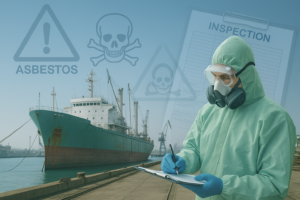
Best Practices for Responsible Ship Recycling
Companies involved in Ship Recycling should adopt several best practices to improve safety and sustainability.
Maintain an Inventory of Hazardous Materials
Keeping detailed records of hazardous substances helps recycling facilities prepare safe dismantling strategies.
Partner with Certified Experts
Working with qualified professionals, including trusted Asbestos Removal Service in India providers, ensures hazardous materials are handled correctly.
Prioritize Worker Safety
Employees should receive proper training, personal protective equipment (PPE), and emergency response guidance.
Follow Environmental Regulations
Compliance with national and international regulations helps prevent pollution and protects marine ecosystems.
Improve Waste Management
Hazardous and non-hazardous waste should be segregated, recycled whenever possible, and disposed of responsibly.
Monitor Air Quality
Continuous air monitoring helps detect airborne contaminants during asbestos removal and dismantling activities.
Environmental Benefits of Responsible Ship Recycling
Responsible Ship Recycling contributes to a healthier planet by:
- Reducing industrial waste
- Conserving valuable metals
- Lowering carbon emissions through metal recycling
- Preventing marine pollution
- Protecting coastal ecosystems
- Supporting sustainable industrial development
Every responsibly recycled ship contributes to a cleaner maritime industry.
Economic Benefits
Beyond environmental protection, responsible Ship Recycling creates substantial economic value.
Recovered steel, machinery, engines, generators, cables, and other reusable components can be refurbished or recycled, reducing manufacturing costs across multiple industries.
The industry also generates employment opportunities for engineers, environmental specialists, recycling professionals, logistics providers, and certified Asbestos Removal Service in India experts.
Challenges in Responsible Ship Recycling
Despite significant progress, the industry still faces several challenges:
- Managing hazardous materials safely
- High compliance costs
- Need for skilled personnel
- Proper disposal infrastructure
- Strict environmental monitoring
- Continuous worker safety training
Addressing these challenges requires collaboration among ship owners, recycling yards, regulatory authorities, and environmental professionals.
How Greenship Services Supports Safe Ship Recycling
At Greenship Services, we understand that responsible Ship Recycling begins with effective hazard management. Our experienced team follows industry-approved procedures for identifying, containing, removing, and safely disposing of asbestos-containing materials from ships.
As a trusted provider of Asbestos Removal Service in India, we are committed to helping ship owners, recycling facilities, and maritime organizations meet safety regulations while protecting workers and the environment. Our focus on quality, compliance, and sustainability ensures every project is completed with the highest standards of professionalism.

FAQ
1. What is responsible Ship Recycling?
Responsible Ship Recycling is the safe and environmentally friendly process of dismantling old ships while recovering reusable materials and properly managing hazardous waste to protect workers and the environment.
2. Why is asbestos removal important before Ship Recycling?
Many older ships contain asbestos in insulation and fireproofing materials. Hiring a professional Asbestos Removal Service in India ensures asbestos is safely removed before dismantling, reducing health risks and environmental contamination.
3. What hazardous materials are commonly found in old ships?
Old ships may contain asbestos, lead-based paint, mercury, PCBs, oil sludge, refrigerants, and heavy metals. These materials require careful handling during Ship Recycling.
4. What are the benefits of responsible Ship Recycling?
Responsible Ship Recycling helps conserve natural resources, reduces pollution, supports the circular economy, improves worker safety, and ensures compliance with environmental regulations.
5. How does Greenship Services support responsible Ship Recycling?
Greenship Services provides reliable Asbestos Removal Service in India, ensuring the safe identification, removal, and disposal of asbestos-containing materials, helping ship owners and recycling facilities carry out Ship Recycling safely and responsibly.
Conclusion
Responsible Ship Recycling is essential for creating a sustainable future for the global maritime industry. By recovering valuable materials, reducing pollution, protecting workers, and managing hazardous substances responsibly, ship recycling supports both environmental conservation and economic growth.
A critical component of this process is the safe management of asbestos. Partnering with a reliable Asbestos Removal Service in India ensures hazardous materials are removed professionally, minimizing health risks and supporting regulatory compliance.
As environmental standards continue to evolve, adopting responsible Ship Recycling practices will remain the cornerstone of a cleaner, safer, and more sustainable shipping industry. With expert support from Greenship Services, organizations can confidently move toward environmentally responsible ship recycling while safeguarding people, communities, and the planet.