Hello Reader!
Welcome to the blog page of Greenship Services, one of the best
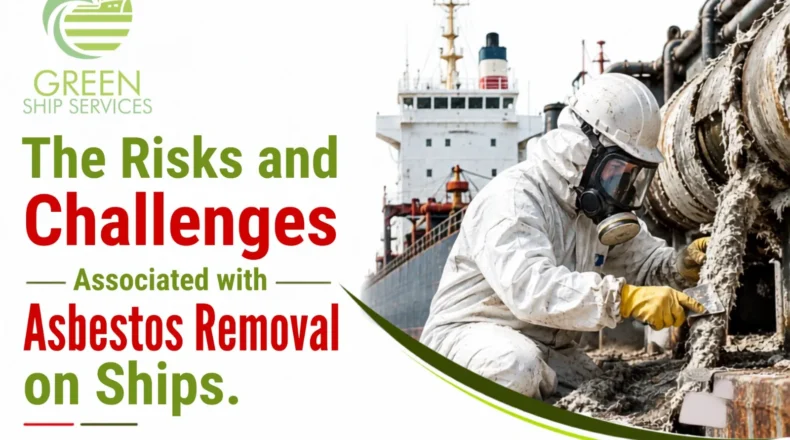
Ships built before the 1990s often contain significant amounts of asbestos in insulation, engine rooms, pipes, boilers, flooring, and fireproofing materials. While asbestos was once considered an ideal material for shipbuilding because of its excellent heat resistance and durability, it is now recognized as a serious health hazard. Today, asbestos removal on ships has become an essential process to ensure the safety of crew members, shipyard workers, and the environment.
Asbestos removal in marine environments is far more complex than removing asbestos from residential or commercial buildings. It requires specialized planning, highly trained professionals, advanced safety equipment, and strict compliance with national and international regulations. Choosing a trusted Asbestos Removal Service in India ensures that asbestos is identified, removed, transported, and disposed of safely without putting lives at risk.
In this blog, we will explore the major risks and challenges associated with asbestos removal on ships and explain why professional expertise is essential for successful asbestos management.
Why Was Asbestos Used on Ships?
For decades, asbestos was widely used in ship construction because it offered several benefits, including:
- Excellent fire resistance
- Superior thermal insulation
- High durability
- Chemical resistance
- Cost-effectiveness
Asbestos was commonly found in:
- Engine room insulation
- Boiler insulation
- Steam pipes
- Gaskets and packing materials
- Ceiling and wall panels
- Floor tiles
- Electrical wiring insulation
- Fireproof doors
- Ventilation systems
Many older naval vessels, cargo ships, passenger ships, fishing vessels, and offshore structures still contain asbestos materials that require professional removal.
Why Is Asbestos Dangerous?
The greatest danger arises when asbestos-containing materials become damaged or disturbed. During maintenance, renovation, dismantling, or ship recycling, microscopic asbestos fibers become airborne.
Once inhaled, these fibers can remain inside the lungs for decades and may lead to severe diseases such as:
- Asbestosis
- Lung cancer
- Mesothelioma
- Pleural thickening
- Chronic respiratory disorders
Because symptoms often appear 20–40 years after exposure, prevention through safe asbestos removal on ships is extremely important.
Environmental Impact of Improper Asbestos Disposal from Ships
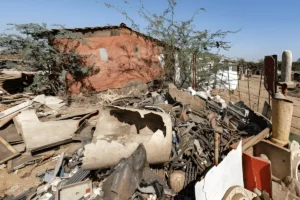
Improper disposal of asbestos waste from ships can have severe consequences for the environment and public health. If asbestos-containing materials are dumped or handled carelessly, hazardous fibers can contaminate marine ecosystems, ports, soil, and nearby water sources. These microscopic fibers may remain in the environment for years, posing long-term risks to marine life, shipyard workers, and surrounding communities.
Proper asbestos removal on ships includes the safe collection, packaging, transportation, and disposal of asbestos waste at authorized hazardous waste facilities. Partnering with a trusted Asbestos Removal Service in India ensures that every stage of the disposal process complies with environmental regulations, helping to protect ecosystems, reduce pollution, and maintain a safer environment for future generations.
Major Risks Associated with Asbestos Removal on Ships
1. Airborne Fiber Exposure
One of the biggest risks during asbestos removal on ships is the release of invisible asbestos fibers into the air.
Ship interiors often have confined spaces where ventilation is limited. Once fibers become airborne, they can spread quickly throughout cabins, machinery rooms, and ventilation ducts.
Workers exposed without proper respiratory protection face serious long-term health risks.
2. Confined Working Spaces
Ships contain numerous narrow compartments such as:
- Engine rooms
- Cargo holds
- Pipe tunnels
- Utility shafts
- Storage compartments
Working in these restricted areas makes asbestos removal particularly difficult.
Confined spaces:
- Reduce worker mobility
- Increase heat stress
- Make emergency evacuation challenging
- Increase the likelihood of accidental contamination
Experienced Asbestos Removal Service in India providers use specialized equipment and carefully planned work procedures to address these challenges.
3. Hidden Asbestos Materials
Unlike buildings, ships contain asbestos in many concealed locations.
Examples include:
- Behind machinery
- Inside insulation jackets
- Beneath flooring
- Within pipe lagging
- Behind wall panels
- Around boilers
Without thorough inspections, hidden asbestos may remain undetected, posing ongoing health risks after renovation or demolition.
4. Structural Complexity
Modern ships consist of thousands of interconnected components.
Removing asbestos from one area may require dismantling:
- Pipes
- Electrical systems
- Mechanical equipment
- Ventilation ducts
- Insulation layers
This complexity significantly increases project difficulty and requires experienced planning teams.
5. Risk of Cross-Contamination
Improper removal procedures can contaminate clean areas of the vessel.
Fibers may spread through:
- Worker clothing
- Equipment
- Ventilation systems
- Ship corridors
- Waste transport routes
Professional asbestos removal on ships involves creating containment zones, using negative air pressure systems, and following strict decontamination procedures.
6. Worker Health Risks
Ship asbestos removal workers face prolonged exposure if adequate protective measures are not followed.
Essential safety measures include:
- Full-body protective suits
- Respirators with HEPA filters
- Air monitoring
- Medical surveillance
- Controlled work practices
Reliable Asbestos Removal Service in India providers ensure every worker receives proper safety training and equipment.
7. Environmental Pollution
Improper handling of asbestos waste can contaminate:
- Oceans
- Ports
- Shipyards
- Soil
- Water sources
Environmental contamination can affect nearby communities and marine ecosystems.
Strict waste packaging, labeling, transportation, and disposal procedures help minimize environmental impact.
8. Fire and Electrical Hazards
Ships often contain:
- Live electrical systems
- Fuel lines
- High-temperature equipment
- Pressurized systems
Removing asbestos near these systems increases operational risks.
Proper isolation procedures must be completed before removal begins.
Also Read: Asbestos Risk and Exposure in Shipbreaking Yards
Common Mistakes to Avoid During Asbestos Removal on Ships
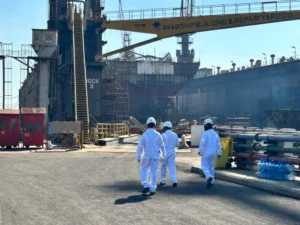
Asbestos removal on ships is a highly specialized process that requires careful planning, trained professionals, and strict safety measures. Even small mistakes can release dangerous asbestos fibers into the air, putting workers, crew members, and the environment at risk. Avoiding common errors is essential for ensuring a safe and compliant removal process.
One of the most serious mistakes is inadequate containment of the work area. Without proper isolation and negative air pressure systems, asbestos fibers can spread to other parts of the ship through ventilation systems and walkways, increasing the risk of widespread contamination.
Another common error is improper handling and disposal of asbestos waste. Asbestos-containing materials must be carefully sealed, labeled, transported, and disposed of at authorized hazardous waste facilities. Unsafe waste handling can contaminate ports, marine ecosystems, and surrounding communities while also leading to regulatory penalties.
A lack of air monitoring is another critical mistake. Continuous air quality testing during and after the removal process helps detect airborne asbestos fibers and ensures that containment measures are effective. Final clearance inspections are equally important before workers or crew members can safely reoccupy the ship.
Attempting removal without trained personnel or appropriate protective equipment can also expose workers to serious health risks such as asbestosis, lung cancer, and mesothelioma. This is why hiring a professional Asbestos Removal Service in India is essential. Experienced specialists follow approved safety protocols, use advanced equipment, and ensure that asbestos removal on ships is carried out safely, legally, and with minimal environmental impact. By avoiding these common mistakes, ship owners can protect lives, comply with regulations, and ensure successful ship repair or recycling projects.

The Role of Asbestos Surveys Before Ship Repair or Recycling
Before any ship repair, renovation, or recycling project begins, conducting a thorough asbestos survey is a critical first step. Older ships often contain asbestos in insulation, pipes, engine rooms, flooring, and fireproof materials. Disturbing these materials during maintenance or dismantling can release hazardous asbestos fibers into the air, posing serious health risks to workers and the environment.
A professional asbestos survey identifies the location, condition, and extent of asbestos-containing materials, allowing project managers to plan safe removal procedures before work starts. This helps prevent accidental exposure, minimizes project delays, and ensures compliance with national and international safety regulations.
Choosing an experienced Asbestos Removal Service in India for pre-project inspections ensures that asbestos removal on ships is carried out safely, efficiently, and in accordance with legal requirements. Early identification of asbestos not only protects workers and marine environments but also supports smooth, compliant ship repair and recycling operations.
Challenges in Asbestos Removal on Ships
Identifying All Asbestos Locations
Many ships have undergone multiple repairs over several decades.
Asbestos may have been:
- Replaced
- Covered
- Mixed with newer materials
Detailed asbestos surveys are necessary before work begins.
Maintaining Operational Safety
Some ships undergo asbestos removal while partially operational.
This creates additional challenges such as:
- Protecting onboard personnel
- Preventing contamination
- Maintaining essential operations
- Coordinating work schedules
Professional planning becomes essential.
Compliance with Regulations
Marine asbestos removal must comply with various national and international standards.
Failure to comply may result in:
- Legal penalties
- Environmental violations
- Project delays
- Increased costs
Experienced Asbestos Removal Service in India providers understand these regulatory requirements and ensure safe, compliant operations.
Safe Waste Management
Removing asbestos is only part of the process.
Waste must also be:
- Carefully sealed
- Properly labeled
- Securely transported
- Disposed of at authorized hazardous waste facilities
Incorrect disposal creates long-term environmental risks.
Continuous Air Monitoring
Throughout asbestos removal on ships, air quality must be continuously monitored.
Air monitoring helps ensure:
- Fiber concentrations remain safe
- Containment systems function correctly
- Workers remain protected
- Final clearance levels meet safety standards
Emergency Preparedness
Unexpected situations can occur during ship asbestos removal, including:
- Equipment failure
- Containment breaches
- Worker exposure
- Structural instability
Emergency response plans help reduce risks and protect everyone involved.
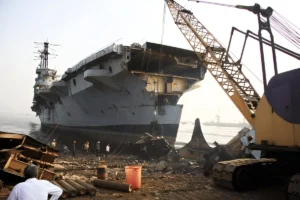
Best Practices for Safe Asbestos Removal on Ships
Professional asbestos removal companies follow comprehensive procedures, including:
- Detailed asbestos inspections
- Risk assessments
- Work area isolation
- Negative pressure containment
- HEPA-filtered vacuum systems
- Safe removal techniques
- Continuous air monitoring
- Worker decontamination
- Safe packaging and disposal
- Final clearance inspections
These practices greatly reduce the risks associated with asbestos removal on ships.
Why Choose a Professional Asbestos Removal Service in India?
Marine asbestos removal requires specialized expertise that general contractors may not possess. A trusted Asbestos Removal Service in India offers:
- Certified asbestos removal professionals
- Advanced safety equipment
- Compliance with applicable regulations
- Comprehensive asbestos surveys
- Safe containment procedures
- Environmentally responsible waste disposal
- Air quality monitoring
- Complete documentation and reporting
Professional services minimize health risks while ensuring projects are completed safely and efficiently.
The Importance of Early Asbestos Identification
Regular inspections of older ships can help detect asbestos before maintenance or dismantling work begins. Early identification allows ship owners to:
- Plan safe removal activities
- Protect workers and crew
- Reduce project delays
- Avoid accidental asbestos exposure
- Ensure regulatory compliance
Proactive asbestos management is always more effective than responding to unexpected discoveries during repairs.
Conclusion
The risks and challenges involved in asbestos removal on ships are significant, ranging from airborne fiber exposure and confined working conditions to environmental contamination and regulatory compliance. Because ships contain asbestos in numerous hidden and hard-to-reach areas, removal requires meticulous planning, specialized equipment, and highly trained professionals.
Partnering with a reliable Asbestos Removal Service in India ensures that every stage of the process—from inspection and containment to removal, transportation, and disposal—is handled with the highest safety standards. Investing in professional asbestos removal on ships not only protects workers and the environment but also helps ship owners maintain compliance and safeguard the long-term health of everyone involved.