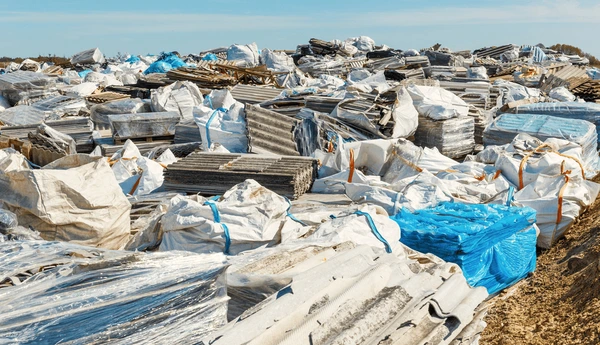
Asbestos, once considered a “wonder material” for construction and insulation, is now recognised as a major health hazard. Its tiny fibers, when disturbed, can enter the air and cause serious respiratory diseases like asbestosis, lung cancer, and mesothelioma. Because of these risks, asbestos disposal requires strict safety measures and legal compliance.
Whether you’re managing a demolition project, renovating an old property, or clearing industrial waste, it’s vital to know what checklist to follow before asbestos disposal. Proper preparation ensures not only safety but also compliance with environmental standards.
This article—guided by insights from professionals specializing in Asbestos Disposal Service—covers everything you need to know to handle asbestos responsibly and safely.
Understanding Why Asbestos Disposal Needs Caution
Before jumping into the checklist, it’s important to understand why asbestos handling must follow regulations:
-
Health Hazards: Asbestos fibers are microscopic and can stay airborne for hours. Inhalation causes lung scarring and severe diseases that may take years to develop.
-
Environmental Risks: Improper disposal can contaminate soil and water sources, affecting ecosystems.
-
Legal Compliance: India has strict guidelines under the Hazardous Waste Management Rules (2016) to regulate asbestos waste handling and disposal. Violations can lead to fines and penalties.
Proper asbestos disposal isn’t just about cleanliness—it’s about protecting workers, communities, and the environment.
The Complete Checklist to Follow Before Asbestos Disposal
Handling asbestos is a complex process. Here’s a detailed checklist to ensure that disposal is carried out safely and legally:
1. Identify the Presence of Asbestos
Before starting any demolition or renovation:
-
Conduct a professional asbestos survey.
-
Identify the type (friable or non-friable) and location of asbestos materials.
-
Document areas that need special containment or removal measures.
2. Risk Assessment and Planning
-
Prepare a risk management plan that outlines procedures for removal, handling, and disposal.
-
Determine whether removal can be done safely or needs certified experts.
-
Define protective equipment and tools required for the task.
3. Notify Authorities
In many cases, local environmental or health authorities must be notified before asbestos removal begins.
-
Submit project details, safety protocols, and disposal methods for approval.
-
Obtain necessary permissions for transportation and waste disposal.
4. Use Proper Protective Gear
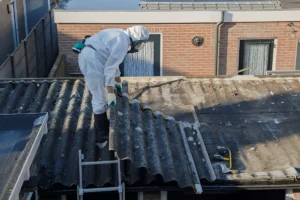
Anyone involved in asbestos handling must wear appropriate Personal Protective Equipment (PPE):
-
Disposable coveralls and gloves.
-
Respirators or masks with HEPA filters.
-
Safety boots and protective eyewear.
Never reuse protective clothing after asbestos work.
5. Contain and Label the Area
-
Isolate the asbestos-containing area with barriers or plastic sheeting.
-
Put up warning signs to prevent unauthorized entry.
-
Ensure adequate ventilation and negative air pressure systems to control fiber spread.
6. Safe Removal Process
-
Avoid breaking or crushing asbestos materials.
-
Use wet removal methods—spraying water helps reduce airborne dust.
-
Keep materials intact and handle them gently.
7. Packaging and Labeling Waste
-
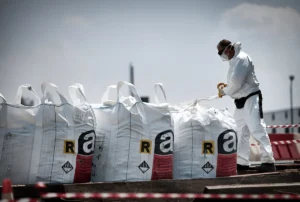
Use leak-tight, sealed containers or heavy-duty bags for asbestos waste.
-
Label containers with clear hazard warnings such as “Asbestos Waste – Handle with Care”.
-
Double-bag the waste and seal with tape.
8. Transportation to Authorized Disposal Facility
Only licensed transporters should move asbestos waste.
-
Vehicles must have covered, sealed cargo areas.
-
Maintain a chain-of-custody record for the entire journey—from removal to disposal.
-
Deliver waste only to authorized hazardous waste treatment, storage, and disposal facilities (TSDFs).
9. Decontamination Procedures
After asbestos work:
-
Clean all tools and equipment using wet wipes or HEPA-filter vacuums.
-
Wash hands, face, and exposed skin thoroughly.
-
Dispose of PPE and cleaning materials safely in asbestos waste bags.
10. Documentation and Compliance
Maintain detailed records for every step:
-
Waste generation reports.
-
Transport manifests.
-
Disposal certificates from TSDF.
Keeping accurate records proves compliance and safeguards you during audits or inspections.
Why Hiring Certified Professionals Is Important
Even with the best checklist, handling asbestos is not a DIY task. It requires trained specialists equipped with knowledge, gear, and licenses to perform safe disposal.
Professionals offering Asbestos Disposal Service in India:
-
Conduct detailed site assessments.
-
Follow government-approved removal and transport methods.
-
Use specialized containment and air filtration equipment.
-
Ensure zero environmental contamination and legal compliance.
Hiring experts minimizes risks and guarantees that the process adheres to safety and environmental standards.
Mistakes to Avoid Before Asbestos Disposal
Many property owners unknowingly worsen asbestos exposure. Here are common mistakes to avoid:
-
Breaking asbestos sheets: Releases dangerous fibers instantly.
-
Using regular vacuum cleaners: Ordinary vacuums spread fibers in the air.
-
Mixing asbestos waste with general garbage: This is illegal and unsafe.
-
Ignoring protective clothing: Even brief exposure can have long-term health consequences.
-
Skipping documentation: Non-compliance can lead to severe penalties.
Environmental Guidelines for Safe Asbestos Disposal
India’s Central Pollution Control Board (CPCB) provides strict protocols for asbestos waste disposal:
-
Asbestos should be disposed of in lined landfill cells designed to prevent leakage.
-
Waste must not be burned or recycled.
-
The site must maintain a record of quantity and source of asbestos waste.
-
Periodic monitoring ensures environmental safety post-disposal.
Following these guidelines protects not only human health but also the planet.
Benefits of Responsible Asbestos Management
Responsible asbestos disposal offers long-term benefits such as:
-
Health Protection: Reduces exposure to carcinogenic fibers.
-
Environmental Safety: Prevents contamination of air, soil, and water.
-
Regulatory Compliance: Avoids fines and legal trouble.
-
Peace of Mind: Knowing the waste has been handled ethically and safely.

Frequently Asked Questions
1. How do I know if my property contains asbestos?
You need a professional asbestos survey to detect its presence. Never attempt to test or disturb materials yourself.
2. Can I remove asbestos on my own?
No. It’s illegal and unsafe without proper certification, equipment, and disposal facilities.
3. Where is asbestos commonly found?
Old buildings may have asbestos in roofing sheets, insulation, flooring, and pipe coverings.
4. How is asbestos waste disposed of in India?
It is transported by authorized handlers to approved hazardous waste disposal sites under CPCB regulations.
5. Is asbestos still used in new construction?
Its use has declined sharply, but some products may still contain asbestos in trace forms. Always check product specifications.
Safe Practices Lead to a Safer Future
Asbestos disposal is not just another waste management task—it’s a matter of health, safety, and responsibility. Understanding the correct checklist before disposal ensures protection for you, your workers, and the environment.
Trained professionals offering Asbestos Disposal Service in India make this process smoother and more compliant with environmental standards. Whether you’re managing a residential renovation or an industrial cleanup, prioritizing proper asbestos handling today safeguards future generations from invisible dangers.