Hello Reader!
Welcome to the blog page of Greenship Services, the Asbestos Removal Service in India.
The maritime industry plays a vital role in global trade, but every ship has a finite operational lifespan. When vessels become old, inefficient, or no longer seaworthy, they are sent for dismantling. Ship dismantling is not simply about breaking a vessel apart—it is a highly specialized, regulated, and safety-driven process that involves environmental protection, hazardous material handling, worker safety, and resource recovery.
For companies involved in industrial cleanup and marine safety, understanding the Ship Dismantling Process is essential. At Greenship Services, a trusted Asbestos Removal Service in India, we understand that dismantling old ships requires a carefully planned and professionally executed approach, especially when hazardous materials such as asbestos are involved.
In this detailed guide, we will walk you through the Ship Dismantling Process step by step, explaining each stage, the challenges involved, and why professional hazardous material management is crucial.
What Is Ship Dismantling?
Ship dismantling, also known as ship recycling or ship breaking, is the process of taking apart decommissioned vessels so that usable materials such as steel, machinery, equipment, and non-ferrous metals can be recovered, while hazardous substances are safely removed and disposed of.
The Ship Dismantling Process is important for:
- Recovering valuable recyclable materials
- Reducing industrial waste
- Ensuring environmental compliance
- Safely removing hazardous materials
- Preventing marine and land pollution
- Promoting sustainable maritime operations
Old ships often contain asbestos, lead paint, oil sludge, chemicals, insulation, and contaminated components. This is why working with an experienced Asbestos Removal Service in India is critical for safe and compliant dismantling.
Why the Ship Dismantling Process Requires Professional Expertise
A ship is not like a normal building or industrial structure. It is a complex, multi-layered environment filled with machinery, piping systems, fuel tanks, insulation, electrical systems, accommodation blocks, and structural steel.
Without proper planning, the Ship Dismantling Process can pose major risks such as:
- Exposure to asbestos and toxic dust
- Fire and explosion hazards
- Chemical spills
- Oil contamination
- Structural collapse
- Worker injuries
- Environmental damage
At Greenship Services, we emphasize that a professionally managed Ship Dismantling Process is the only way to ensure safety, efficiency, and regulatory compliance.
Step-by-Step Guide to the Ship Dismantling Process
Let us now understand the complete Ship Dismantling Process in a structured and practical way.

Step 1: Initial Assessment and Planning
The first and one of the most important stages of the Ship Dismantling Process is a detailed inspection and planning phase.
What Happens in This Stage?
Before dismantling begins, the ship is thoroughly assessed to understand:
- The ship’s age and structural condition
- The type of vessel
- Presence of hazardous materials
- Machinery and equipment layout
- Fuel, oil, and chemical residues
- Recyclable material volume
- Environmental and safety risks
This assessment helps create a proper dismantling strategy.
Why It Matters
Without planning, dismantling can become dangerous and disorganized. This stage determines:
- The sequence of dismantling
- Hazard removal priorities
- Waste segregation methods
- Worker safety measures
- Equipment requirements
For any Asbestos Removal Service in India, this phase is especially important because asbestos-containing materials must be identified before any cutting or demolition work starts.
Step 2: Inventory of Hazardous Materials (IHM)
One of the most critical parts of the Ship Dismantling Process is identifying all hazardous substances on board.
What Is Included in Hazard Identification?
A ship may contain:
- Asbestos insulation
- Lead-based paint
- Polychlorinated biphenyls (PCBs)
- Oil sludge
- Fuel residues
- Chemical residues
- Refrigerants
- Heavy metals
- Contaminated electrical equipment
An Inventory of Hazardous Materials (IHM) is prepared to document the exact locations and quantities of these materials.
Why This Step Is Essential
Hazardous materials must be removed safely before structural dismantling begins. If asbestos or chemicals are disturbed during cutting, they can contaminate the environment and pose severe health risks to workers.
As a specialized Asbestos Removal Service in India, Greenship Services recognizes that proper hazardous material mapping is the backbone of a safe Ship Dismantling Process.
Step 3: Regulatory Compliance and Documentation
Ship dismantling is governed by strict safety and environmental rules. This makes documentation a mandatory part of the Ship Dismantling Process.
Key Documentation May Include:
- Vessel ownership and decommissioning records
- Hazardous material inventory
- Environmental clearance documents
- Worker safety plans
- Waste disposal plans
- Emergency response procedures
- Dismantling work permits
Why It Matters
Regulatory compliance ensures that dismantling is performed lawfully and responsibly. It also protects workers, nearby communities, and marine ecosystems.
This step is especially important for companies offering asbestos removal services in India, since asbestos removal must follow highly controlled handling and disposal protocols.
Step 4: Pre-Cleaning and Decontamination
Before the actual cutting and dismantling begin, the ship must be cleaned and decontaminated.
What Is Removed During Pre-Cleaning?
- Remaining fuel
- Lubricants
- Bilge water
- Oil sludge
- Grease residues
- Chemical residues
- Flammable liquids
- Toxic waste
Why This Step Is Important
A ship cannot be dismantled safely if combustible or toxic substances are still present. Pre-cleaning reduces the risk of:
- Fire and explosions
- Chemical exposure
- Water and soil contamination
- Worker accidents
This phase is a crucial safety checkpoint in the Ship Dismantling Process.
Step 5: Safe Asbestos Removal
One of the most sensitive and specialized stages of the Ship Dismantling Process is asbestos removal.
Why Is Asbestos Common in Ships?
Older ships often contain asbestos in:
- Pipe insulation
- Boiler rooms
- Engine room lagging
- Fireproof panels
- Ceiling and wall insulation
- Flooring materials
- Gaskets and seals
Asbestos was widely used in ships because of its heat resistance and insulation properties.
Why Is It Dangerous?
When asbestos-containing materials are disturbed, they can release microscopic fibers into the air. Inhalation of these fibers can lead to serious health problems, including:
- Asbestosis
- Lung disease
- Mesothelioma
- Lung cancer
Why Professional Removal Is Necessary
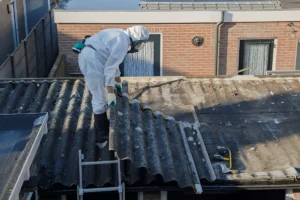
This is where an expert Asbestos Removal Service in India becomes essential. Asbestos removal must be done using:
- Controlled containment zones
- Protective suits and respirators
- Air monitoring systems
- Specialized waste packaging
- Safe transportation and disposal methods
At Greenship Services, our role as an Asbestos Removal Service in India is to ensure that asbestos is removed safely before the physical Ship Dismantling Process progresses.
Step 6: Removal of Reusable Equipment and Valuable Components
Once hazardous materials are removed, attention turns to salvage and asset recovery.
What Can Be Recovered?
- Navigation systems
- Pumps and motors
- Generators
- Electrical panels
- Propellers
- Cables
- Furniture and fittings
- Safety equipment
- Machinery components
Why This Step Is Important
The Ship Dismantling Process is not just about disposal—it is also about recovering useful and valuable materials. This improves economic efficiency and supports sustainable recycling.
Recovered equipment may be refurbished, resold, or repurposed depending on its condition.
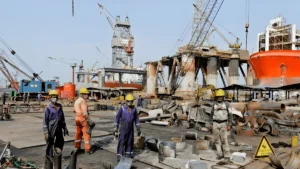
Step 7: Structural Dismantling and Cutting
This is the stage most people associate with ship breaking. Once the vessel has been cleaned, decontaminated, and stripped of hazardous materials and reusable components, the main structural dismantling begins.
How Is Structural Dismantling Done?
The ship is dismantled section by section using methods such as:
- Gas cutting
- Mechanical cutting
- Crane lifting
- Plate separation
- Hull segmentation
Areas Typically Cut First:
- Upper deck structures
- Accommodation blocks
- Bridge sections
- Engine room enclosures
- Cargo holds
- Hull plates
Why a Sequence Is Important
The Ship Dismantling Process must follow a controlled sequence to prevent:
- Structural instability
- Sudden collapses
- Worker injury
- Equipment damage
This is why ship dismantling must be done by trained professionals under strict supervision.
Also Read: Why Is Asbestos Testing Required Before Demolition or Renovation?
Step 8: Segregation of Materials
As dismantling progresses, materials are sorted into different categories for recycling, resale, or disposal.
Common Material Categories Include:
- Steel scrap
- Non-ferrous metals
- Electrical waste
- Plastics
- Rubber
- Wood
- Glass
- Hazardous waste
- Insulation debris
Why Segregation Matters
Proper segregation is a vital part of the Ship Dismantling Process because it:
- Increases recycling efficiency
- Reduces landfill burden
- Prevents cross-contamination
- Improves material recovery value
Companies providing Asbestos Removal Service in India often work closely with dismantling teams to ensure hazardous and non-hazardous materials are kept separate throughout the process.
Step 9: Waste Handling and Disposal
Not all materials recovered from ships can be reused or recycled. Some waste must be treated and disposed of according to environmental guidelines.
Waste Types That Need Controlled Disposal:
- Asbestos waste
- Contaminated insulation
- Oil sludge
- Chemical residues
- Hazardous electrical components
- Toxic coatings
- Polluted absorbents and filters
Why Proper Disposal Is Essential
Improper disposal can cause serious environmental and legal consequences. The Ship Dismantling Process must ensure that all waste streams are handled responsibly.
This is another area where an experienced Asbestos Removal Service in India adds significant value by ensuring hazardous waste is packaged, transported, and disposed of in compliance with safety norms.
Step 10: Site Cleaning and Environmental Restoration
After the ship has been dismantled and materials removed, the work is not yet complete. The dismantling area itself must be cleaned and checked.
What Happens During Final Site Cleanup?
- Debris removal
- Surface decontamination
- Oil and residue cleanup
- Dust control
- Waste transfer completion
- Safety verification
Why It Matters
A responsible Ship Dismantling Process does not end when the ship is gone. The site must be left safe, clean, and environmentally secure.
This final stage helps prevent lingering contamination and ensures operational readiness for future dismantling projects.
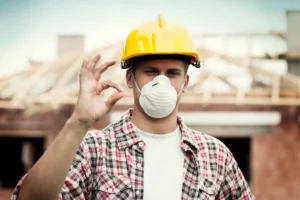
Importance of Worker Safety in the Ship Dismantling Process
Worker safety must be central to every stage of the Ship Dismantling Process.
Common Risks Faced by Workers
- Exposure to asbestos fibers
- Falls from height
- Fire and explosions
- Heavy object impact
- Sharp metal injuries
- Heat stress
- Toxic fumes
Essential Safety Measures Include:
- Personal protective equipment (PPE)
- Safety harnesses
- Respiratory protection
- Hazard training
- Fire control systems
- Air monitoring
- Emergency evacuation plans
At Greenship Services, we strongly advocate that no Ship Dismantling Process should ever compromise worker health or environmental safety.
Environmental Importance of Safe Ship Dismantling
The environmental impact of improper dismantling can be severe. Oil spills, asbestos contamination, toxic waste leakage, and heavy metal pollution can damage marine ecosystems and nearby communities.
A properly managed Ship Dismantling Process helps:
- Reduce industrial pollution
- Improve material recycling
- Prevent hazardous exposure
- Promote sustainability in maritime operations
- Ensure eco-friendly disposal of dangerous substances
As a professional Asbestos Removal Service in India, Greenship Services understands the environmental responsibility that comes with marine dismantling and hazardous waste control.
Why Asbestos Removal Is a Critical Part of Ship Dismantling
Among all hazardous materials found in old ships, asbestos remains one of the most dangerous and highly regulated.
Why It Cannot Be Ignored
Asbestos is often hidden behind panels, insulation layers, engine room systems, and fireproof materials. If not removed carefully, it can spread contamination throughout the dismantling site.
This is why asbestos handling is not just one task—it is a foundational part of the entire Ship Dismantling Process.
Choosing a reliable Asbestos Removal Service in India ensures that dismantling begins on a safe, compliant, and environmentally responsible basis.
Why Choose Greenship Services?
When it comes to safe marine dismantling support and hazardous material management, experience matters. Greenship Services is committed to supporting safe and environmentally responsible ship dismantling operations.
Why Clients Trust Greenship Services
- Expertise in hazardous material identification
- Professional asbestos handling and removal
- Strong safety and compliance practices
- Environment-focused operational approach
- Support for industrial and marine decontamination needs
- Trusted Asbestos Removal Service in India
At Greenship Services, we understand that the success of the Ship Dismantling Process depends not only on cutting steel but also on managing risks, removing hazardous substances, and protecting both workers and the environment.

FAQs
1. What is the Ship Dismantling Process?
The Ship Dismantling Process is the systematic dismantling of old or decommissioned ships to recover recyclable materials and safely remove hazardous substances.
2. Why is asbestos removal important in ship dismantling?
Older ships often contain asbestos in insulation and fireproofing materials. It must be removed safely to protect workers and the environment.
3. What materials are commonly recovered during ship dismantling?
Steel, non-ferrous metals, machinery, cables, pumps, and reusable marine equipment are commonly recovered.
4. Is ship dismantling dangerous?
Yes, if not handled properly. Risks include asbestos exposure, toxic fumes, fire, structural collapse, and environmental contamination.
5. Why choose an Asbestos Removal Service in India for ship dismantling support?
A professional Asbestos Removal Service in India ensures safe hazardous material removal, regulatory compliance, and worker protection during the Ship Dismantling Process.
Final Thoughts
The Ship Dismantling Process is a complex and highly specialized operation that requires technical planning, environmental awareness, safety discipline, and hazardous material expertise. From initial inspection and asbestos removal to structural dismantling and final waste disposal, every step must be handled with care.
Old ships contain valuable recyclable resources, but they also carry serious environmental and health risks if dismantled improperly. This is why working with professionals—especially a trusted Asbestos Removal Service in India—is essential.
If you are involved in marine dismantling, industrial decontamination, or hazardous waste management, understanding the full Ship Dismantling Process is the key to safe and sustainable operations.
With the right planning and expert support from Greenship Services, ship dismantling can be carried out efficiently, responsibly, and in full alignment with safety and environmental standards.