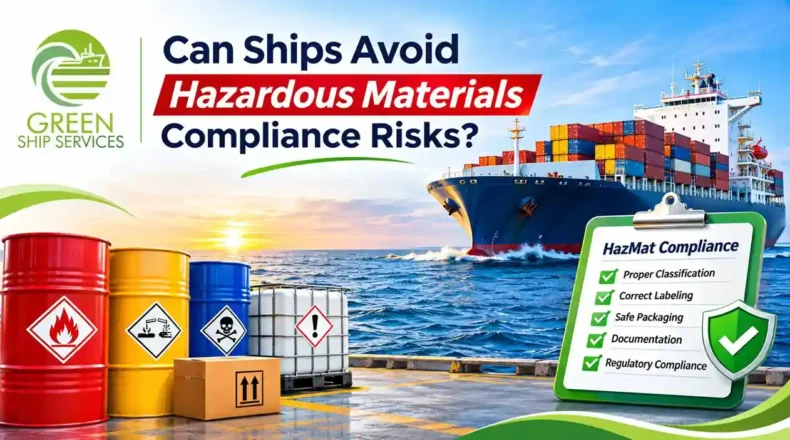
Hazardous materials on ships can create serious compliance risks when owners ignore changing regulations. However, accurate records and regular checks can make compliance easier. IHM Maintenance in India helps shipowners manage hazardous materials responsibly and stay prepared for inspections. Therefore, understanding the latest requirements protects vessels, supports safer operations, and reduces the risk of costly compliance problems at sea.
How Can IHM Maintenance in India Help Ships Stay Compliant?
IHM Maintenance in India plays an important role in helping shipowners maintain accurate hazardous-material records throughout a vessel’s operational life. Therefore, regular IHM updates can help identify changes caused by repairs, equipment replacement, retrofitting, and new installations.
A properly maintained Inventory of Hazardous Materials supports responsible ship management. Moreover, it helps vessel owners prepare for inspections and demonstrate their compliance efforts.
How to comply with hazardous materials regulations on ships? Start by maintaining an accurate IHM, reviewing vessel changes, working with qualified professionals, and keeping supporting documents properly organised.
Why Do Hazardous Materials Regulations Matter for Ships?
Ships may contain materials that require careful identification and management. For example, asbestos, certain hazardous substances, and other regulated materials may exist within ship structures, equipment, and systems.
Therefore, regulations aim to improve:
- Crew and worker safety
- Environmental protection
- Transparency during ship operations
- Safe recycling practices
- Regulatory compliance
- Documentation and material tracking
Ignoring these responsibilities can create unnecessary compliance challenges. Conversely, a proactive approach can make vessel management more organised and reliable.
What Are the Inventory of Hazardous Materials Requirements for Ships?
The Inventory of Hazardous Materials requirements for ships generally focus on identifying, documenting, and maintaining information about hazardous materials associated with a vessel.
An effective IHM process can involve:
- Reviewing available vessel documentation.
- Examining relevant ship structures and equipment.
- Identifying potentially hazardous materials.
- Recording material locations and details.
- Collecting supporting evidence where required.
- Updating the inventory after significant vessel changes.
- Maintaining records for future inspections and lifecycle management.
Consequently, the IHM should not simply remain a one-time document. Instead, it requires ongoing attention as the ship changes. Greenship services also renowned for their best services as Asbestos Removal Service in India.
How to Comply With Hazardous Materials Regulations on Ships?
A Simple Step-by-Step Compliance Checklist
| Step | What Shipowners Should Do | Why It Matters |
| 1 | Review applicable regulations | Helps identify compliance responsibilities |
| 2 | Prepare or review the IHM | Creates a clear hazardous-material record |
| 3 | Conduct regular vessel reviews | Identifies important changes |
| 4 | Update records after modifications | Keeps information current |
| 5 | Maintain supporting documents | Improves inspection readiness |
| 6 | Use experienced survey professionals | Supports a systematic assessment process |
| 7 | Review compliance regularly | Helps reduce overlooked risks |
- Understand Your Vessel’s Regulatory Responsibilities
First, shipowners should understand which hazardous-material rules apply to their vessels and operations. Requirements can vary depending on factors such as the vessel’s status, trading activities, and applicable regulatory framework.
Therefore, owners should monitor relevant requirements instead of waiting until an inspection creates pressure.
2. Maintain an Accurate Inventory
The Inventory of Hazardous Materials requirements for ships depend heavily on accurate information. Accordingly, owners should ensure that the IHM reflects relevant materials and vessel changes.
An outdated inventory can create confusion. On the other hand, a regularly reviewed inventory provides stronger operational visibility.
3. Review Repairs and New Installations
Ships constantly undergo maintenance, repairs, and equipment replacement. Consequently, new materials may enter the vessel during its operational life.
After significant work, owners should consider whether the IHM requires an update. This practical step can help maintain consistency between the physical vessel and its records.
4. Keep Supporting Documentation Organised
Documentation supports effective compliance management. Therefore, owners should retain relevant certificates, declarations, material information, survey records, and update documents where applicable.
Well-organised records can also make future reviews faster and easier.
What Do IMO Inventory of Hazardous Materials Guidelines Recommend?
The IMO Inventory of Hazardous Materials guidelines provide an important framework for managing information about hazardous materials on ships.
In practical terms, shipowners should focus on:
- Systematic material identification
- Reliable documentation
- Clear inventory preparation
- Appropriate updates
- Ongoing maintenance
- Proper lifecycle management
Moreover, following recognised guidelines can help organisations develop a more structured approach to hazardous-material management.
However, every vessel may have different technical and operational circumstances. Therefore, professional assessment can help owners address vessel-specific requirements more effectively.
Why Is Regular IHM Maintenance Important?
A One-Time Survey May Not Be Enough
A ship can change considerably over time. Equipment may be replaced, structures may be modified, and new materials may be introduced.
Therefore, IHM Maintenance in India should form part of an ongoing compliance strategy rather than a forgotten administrative task.
Regular maintenance may help shipowners:
- Track important vessel changes
- Improve record accuracy
- Prepare for inspections
- Support safer maintenance decisions
- Reduce documentation gaps
- Strengthen environmental responsibility
Consequently, proactive maintenance can be far less stressful than attempting to correct outdated records at the last moment.
What Happens During a Hazardous Materials Survey for Ships in India?
A hazardous materials survey for ships in India may involve a structured review of the vessel, available documentation, and relevant materials.
The process can include the following stages:
Document Review
Survey professionals may first review available information about equipment, machinery, structures, and materials.
Onboard Assessment
Next, relevant areas of the vessel may be examined to identify materials requiring further consideration.
Material Identification
Where necessary, available evidence and appropriate assessment methods can support the identification process.
Record Preparation
Finally, the findings can support the preparation or maintenance of relevant hazardous-material records.
Therefore, choosing an experienced service provider can help make the process more systematic and organised.
How to Choose the Best IHM Survey Company for Ships?
Finding the best IHM survey company for ships requires more than selecting the lowest-cost option. Instead, shipowners should evaluate technical capability, experience, documentation practices, and industry understanding.
Consider These Important Factors
Relevant Maritime Experience
Choose professionals who understand vessel structures, marine equipment, and shipboard operations.
Knowledge of Applicable Guidelines
The team should understand relevant IMO Inventory of Hazardous Materials guidelines and applicable compliance expectations.
Clear Survey Methodology
A professional provider should explain how it approaches documentation review, onboard assessment, and reporting.
Strong Documentation Support
Accurate records are essential. Therefore, clear and organised reporting should be a priority.
Ongoing Maintenance Support
The relationship should not necessarily end after the initial assessment. Ongoing support can help owners manage future vessel changes.
Why Should Shipowners Take a Proactive Approach?
Waiting until a compliance deadline can create unnecessary pressure. Conversely, early planning gives shipowners more time to review documents, arrange surveys, and address information gaps.
A proactive strategy can help with:
- Better planning
- Improved documentation
- Reduced last-minute stress
- More organised maintenance
- Greater inspection readiness
Therefore, compliance should become part of routine vessel management rather than an emergency response.
Common Mistakes That Can Create Compliance Problems
❌ Treating the IHM as a One-Time Document
A vessel changes over time. Therefore, its hazardous-material information may also require review.
❌ Ignoring Repairs and Replacements
New equipment and materials can affect existing records. Consequently, important modifications should trigger a review.
❌ Keeping Poor Documentation
Missing or disorganised documents can make compliance reviews more difficult.
❌ Delaying Professional Support
Last-minute action can increase pressure and limit planning options.
❌ Choosing Services Only on Price
Technical quality, methodology, experience, and documentation capability also matter.
How Can Greenship Services Support Responsible IHM Management?
Greenship Services works in the maritime sector with a focus on responsible ship-related environmental and compliance services. Under the leadership of Arjun Bannerjee, the organisation can support shipowners seeking a systematic approach to hazardous-material management and related vessel requirements.
A professional approach to IHM Maintenance in India can help vessel owners:
- Review existing IHM information
- Identify areas requiring attention
- Support hazardous-material documentation
- Address vessel changes through appropriate reviews
- Improve record organisation
- Prepare for relevant compliance processes
However, compliance requirements can depend on the vessel and applicable regulations. Therefore, each ship should be assessed according to its specific circumstances.
Key Takeaways: How to Stay Compliant
For quick reference, shipowners should remember these essential points:
- Maintain an accurate Inventory of Hazardous Materials.
- Review the IHM after significant vessel changes.
- Follow relevant IMO Inventory of Hazardous Materials guidelines.
- Keep supporting records organised.
- Plan surveys and reviews early.
- Work with experienced maritime professionals.
- Treat IHM management as an ongoing responsibility.
Ultimately, How to comply with hazardous materials regulations on ships? The answer starts with accurate information, regular maintenance, timely updates, and a proactive compliance strategy.
Conclusion
Staying compliant with hazardous-material regulations does not need to become an overwhelming challenge. With accurate records, regular reviews, timely IHM updates, and professional support, shipowners can manage responsibilities more effectively. IHM Maintenance in India offers an important pathway toward better documentation and vessel readiness. Therefore, a proactive approach today can help prevent avoidable compliance pressure tomorrow.
Frequently Asked Questions
What is IHM Maintenance in India?
IHM Maintenance in India involves reviewing and updating hazardous-material information for ships as required by applicable regulations and vessel changes. Regular maintenance can help keep records accurate and organised.
How to comply with hazardous materials regulations on ships?
Shipowners can improve compliance by maintaining an accurate IHM, reviewing vessel modifications, organising supporting documents, following applicable guidelines, and seeking qualified professional support when needed.
What are the Inventory of Hazardous Materials requirements for ships?
Requirements generally involve identifying and documenting relevant hazardous materials and maintaining accurate information throughout the vessel’s operational life, according to applicable rules and guidelines.
Why should an IHM be updated?
An IHM may require updating because ships undergo repairs, equipment replacement, and modifications. Therefore, regular reviews can help ensure records continue to reflect the vessel accurately.
What is a hazardous materials survey for ships in India?
A hazardous materials survey for ships in India can involve documentation review, onboard assessment, material identification, and the preparation or updating of relevant hazardous-material records.
How do I choose the best IHM survey company for ships?
Consider maritime experience, technical knowledge, understanding of applicable guidelines, survey methodology, reporting quality, and the ability to provide ongoing support.
Do IMO Inventory of Hazardous Materials guidelines matter for shipowners?
Yes. The IMO Inventory of Hazardous Materials guidelines provide an important framework for identifying, documenting, and managing hazardous materials associated with ships.