Why Choose the Best Ship Recycling Service in India?
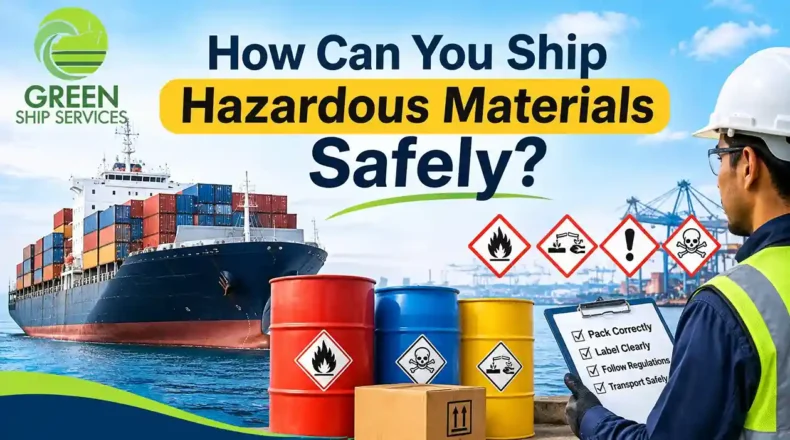
Shipping hazardous materials can be risky when businesses overlook safety rules, packaging standards, or transport regulations. However, proper planning can prevent accidents, environmental damage, and costly delays. Understanding hazmat shipping helps companies handle dangerous goods responsibly. Discover its meaning, common examples, essential safety measures, and documentation requirements to make every shipment safer, smoother, and more compliant.
Hazardous materials require careful handling throughout transportation, storage, and disposal. For maritime businesses, understanding these risks is essential for protecting workers, vessels, and marine environments. The Best Ship Recycling Service in India should understand hazardous material identification, regulatory compliance, and responsible waste management. Explore how hazmat shipping works and why expert maritime guidance matters for safer operations.
What Is Hazmat Shipping and Why Is It Important?
Hazmat shipping refers to transporting hazardous materials that may pose risks to people, property, vessels, or the environment. The term “hazmat” means hazardous materials. In maritime transportation, these goods generally fall under the dangerous goods requirements of the International Maritime Dangerous Goods (IMDG) Code.
From industrial chemicals to flammable liquids, many everyday commercial materials require special transportation precautions.
Why is hazmat shipping important?
- Protects ship crews, port workers, and cargo handlers.
- Reduces the risk of fire, explosions, and chemical leaks.
- Prevents marine pollution and environmental damage.
- Supports compliance with maritime transportation regulations.
- Helps businesses avoid shipment delays, penalties, and financial losses.
The International Maritime Organization (IMO) developed the IMDG Code to promote safe transportation of dangerous goods by sea and prevent pollution.
What Are the 9 Classes of Hazardous Materials in Shipping?
Hazardous materials fall into nine major classes according to their primary risks. Correct classification helps shippers select suitable packaging, labels, storage arrangements, and handling procedures.
Here is a quick overview:
| Class | Hazard category | Common examples |
| Class 1 | Explosives | Fireworks, ammunition |
| Class 2 | Gases | LPG, compressed gases |
| Class 3 | Flammable liquids | Petrol, paints, solvents |
| Class 4 | Flammable solids | Certain matches, reactive solids |
| Class 5 | Oxidising substances and organic peroxides | Hydrogen peroxide, organic peroxides |
| Class 6 | Toxic and infectious substances | Toxic chemicals, infectious samples |
| Class 7 | Radioactive materials | Radioactive medical or industrial materials |
| Class 8 | Corrosive substances | Acids, caustic soda |
| Class 9 | Miscellaneous dangerous substances and articles | Lithium batteries, certain environmentally hazardous substances |
Remember: These examples are indicative, not automatic classifications. The precise classification depends on the substance, concentration, properties, and applicable dangerous goods provisions.
What Are Some Common Examples of Hazmat Shipping?
Businesses across manufacturing, construction, healthcare, energy, and maritime industries regularly handle materials that may require hazardous goods transportation procedures.
Let’s explore some common examples.
- Industrial Chemicals
Industrial chemicals such as acids, solvents, and cleaning agents may present toxic, corrosive, or flammable risks.
Shippers must identify their properties and select appropriate containment and handling arrangements.
- Flammable Liquids and Fuels
Petrol, certain paints, diesel, and industrial solvents can create fire hazards during transportation.
Therefore, businesses must follow the relevant packaging, segregation, and handling requirements.
- Compressed and Liquefied Gases
LPG, oxygen, and other industrial gases require suitable pressure-resistant cylinders or approved containers.
Improper handling can cause leakage, fire, or serious injuries.
- Batteries and Electronic Equipment
Lithium batteries appear in electronic devices, industrial equipment, and energy storage systems.
Depending on their type, condition, and configuration, they may require specific packaging, testing, marking, and transport precautions.
- Corrosive Materials
Sulphuric acid, hydrochloric acid, and caustic soda can damage skin, equipment, and cargo containers.
Appropriate containment and separation from incompatible materials are essential.
- Hazardous Waste and Marine Pollutants
Certain industrial waste materials and marine pollutants require specialised identification and environmental controls.
In maritime operations, these risks also connect with responsible waste management and ship recycling activities.
How Does Hazmat Shipping Work?
Hazmat shipping involves several coordinated steps. Each stage helps ensure that hazardous cargo travels safely from its point of origin to its destination.
Step 1: Identify and Classify the Material
First, identify the material and examine its Safety Data Sheet (SDS).
Determine its:
- UN identification number.
- Proper shipping name.
- Hazard class and subsidiary risks, where applicable.
- Packing group, where assigned.
- Special handling requirements.
Step 2: Select Suitable Packaging
Choose packaging that meets the applicable dangerous goods requirements.
The packaging must provide suitable protection against leakage, breakage, contamination, and other foreseeable transport risks.
Step 3: Apply Correct Labels and Markings
Hazard labels and package markings communicate the risks associated with the cargo.
They help workers, carriers, and emergency responders identify dangerous goods quickly.
Step 4: Prepare Shipping Documents
Prepare the required dangerous goods declaration and other applicable transport documents.
Depending on the shipment, information may include the UN number, proper shipping name, hazard class, packing group, quantity, and emergency information.
Step 5: Arrange Safe Loading and Segregation
Cargo handlers must follow applicable loading, stowage, and segregation requirements.
Incompatible materials should not be stored together where the regulations prohibit such arrangements.
Step 6: Coordinate With the Carrier
Before dispatch, confirm that the shipping line and other transport providers can accept the goods.
Check documentation, packaging, vessel restrictions, and any additional carrier requirements.
These steps follow the general principles of dangerous goods transportation under the IMDG Code.
What Documents Are Required for Hazmat Shipping?
Proper documentation is essential for safe and compliant hazardous materials transportation. Missing or inaccurate information can result in shipment rejection, delays, and safety risks.
Common documents include:
| Document | Purpose |
| Safety Data Sheet (SDS) | Provides information about material properties and hazards |
| Dangerous Goods Declaration | Communicates dangerous goods details to the carrier |
| Commercial Invoice | Describes the goods and their commercial value |
| Packing List | Specifies package contents, quantities, and weights |
| Transport Document | Provides essential cargo and transportation details |
| Emergency Response Information | Supports appropriate action during an incident |
The exact documentation depends on the material, transport mode, destination, and applicable regulations.
What Are the Essential Safety Tips for Shipping Hazardous Materials?
Hazmat shipping requires careful preparation. Even a small mistake can create serious consequences for people, cargo, and the environment.
Follow these practical safety tips:
- Understand the Material Before Shipping
Never assume that a product is harmless because it looks ordinary. Review its SDS and confirm its transport classification before arranging shipment.
- Use Approved Packaging
Select packaging that meets the applicable requirements for the specific dangerous goods. Check for damage, leakage, and unsuitable closures.
- Follow Labelling Requirements
Use the correct hazard labels, UN identification numbers, and other required markings. Clear identification helps prevent accidental mishandling.
- Train Relevant Personnel
Employees involved in classification, packing, loading, documentation, and handling should receive training appropriate to their responsibilities.
- Maintain Emergency Preparedness
Establish suitable emergency procedures for spills, leaks, fires, and exposure incidents. Ensure relevant personnel understand their responsibilities.
- Prevent Environmental Contamination
Use appropriate containment and handling measures to reduce the risk of hazardous substances entering waterways, ports, or marine ecosystems.
- Verify Regulatory Compliance
Check the latest international, national, port, and carrier requirements before dispatch. Regulations can change, so outdated procedures may create compliance problems.
What Are the Hazmat Shipping Regulations in India?
India’s maritime transportation framework requires businesses to follow applicable dangerous goods safety requirements.
The key regulatory references include:
- International Maritime Dangerous Goods Code (IMDG Code)
The IMDG Code provides requirements for classifying, packaging, marking, labelling, documenting, stowing, and segregating dangerous goods transported by sea.
Its Amendment 42-24 became mandatory from 1 January 2026.
- SOLAS Convention
The International Convention for the Safety of Life at Sea (SOLAS) includes provisions for the safe carriage of dangerous goods by ships.
Chapter VII addresses the transportation of dangerous goods.
- MARPOL Convention
The International Convention for the Prevention of Pollution from Ships (MARPOL) includes requirements to prevent pollution from harmful substances carried by sea.
Its Annex III addresses harmful substances transported in packaged form.
- Indian Merchant Shipping Regulations
India introduced the Merchant Shipping (Carriage of Dangerous Goods) Rules, 2026, on 7 September 2026 under the Merchant Shipping Act, 2025.
These rules establish requirements for dangerous goods carried by relevant Indian and foreign ships operating within the scope of the Indian maritime framework.
Businesses should consult with best ship recycling company the latest official requirements and competent authorities before arranging hazardous cargo transportation.
How Is Hazmat Shipping Connected to Ship Recycling?
Hazmat shipping and ship recycling share an important responsibility: protecting people and the marine environment from hazardous substances.
During a ship’s operational life, vessels may carry chemicals, fuels, oils, and other dangerous materials. Furthermore, older vessels can contain hazardous substances within their structures and equipment.
Before recycling begins, responsible parties must identify and manage these materials.
Important considerations include:
- Identifying hazardous materials onboard.
- Maintaining an accurate Inventory of Hazardous Materials (IHM).
- Identifying asbestos-containing materials.
- Managing oils, chemicals, and other hazardous residues.
- Arranging safe removal and appropriate disposal.
- Maintaining suitable records and environmental safeguards.
The Hong Kong International Convention for the Safe and Environmentally Sound Recycling of Ships entered into force on 26 June 2025. It establishes requirements for safer ship recycling and the management of hazardous materials throughout a vessel’s life cycle.
Why Is an Inventory of Hazardous Materials Important?
An Inventory of Hazardous Materials (IHM) identifies hazardous materials present in a ship’s structure, equipment, and relevant stores.
It supports safer ship maintenance, preparation for recycling, and the responsible management of hazardous substances.
An appropriate IHM process involves:
- Identifying potentially hazardous materials.
- Reviewing relevant ship records and documentation.
- Conducting onboard inspections and sampling where necessary.
- Recording identified hazardous materials.
- Maintaining and updating the inventory when required.
For shipowners and recycling stakeholders, accurate IHM documentation supports transparency and safer recycling operations.
How Can Greenship Services Support Safer Maritime Operations?
Hazardous materials management requires more than transportation knowledge. It also involves identification, inspection, documentation, and responsible handling throughout a vessel’s operational and recycling life cycle.
Greenship Services, led by Arjun Banerjee, works in the maritime and ship recycling sector, with a focus on services such as:
- Ship recycling consultancy.
- Inventory of Hazardous Materials (IHM) surveys and maintenance.
- Asbestos-related inspection and management support.
- Maritime compliance and documentation support.
For shipowners, operators, and maritime stakeholders, working with experienced consultants can help improve awareness of hazardous materials and prepare for relevant compliance requirements.
If your business needs guidance on hazardous materials identification, ship recycling, or IHM documentation, discuss the project requirements with Greenship Services with customer’s review.
Conclusion
Hazmat shipping demands careful planning, accurate classification, suitable packaging, and strict regulatory compliance. Even minor mistakes can create serious safety and environmental risks. Therefore, businesses must prioritise responsible handling and proper documentation. For maritime stakeholders, understanding hazardous materials also supports safer ship recycling and IHM management. Greenship Services helps stakeholders navigate important maritime compliance and ship recycling requirements. Check Map Address for Best Ship Recycling Services in Bhavnagar, Gujrat.
Frequently Asked Questions About Hazmat Shipping
- What is hazmat shipping and why is it important?
Hazmat shipping involves transporting materials that can harm people, property, or the environment. It is important because correct classification, packaging, labelling, and handling reduce transportation risks and support regulatory compliance.
- What are the nine classes of hazardous materials?
The nine classes include explosives, gases, flammable liquids, flammable solids, oxidising substances, toxic and infectious substances, radioactive materials, corrosive substances, and miscellaneous dangerous goods.
- What is an example of hazmat shipping?
Transporting petrol, industrial acids, compressed gases, lithium batteries, or certain chemical products by sea are examples of hazardous materials transportation, subject to their applicable classifications.
- What documents are needed for hazardous materials shipping?
Common documents include the Safety Data Sheet, Dangerous Goods Declaration, transport documents, packing list, and emergency response information. Requirements vary according to the cargo and transportation regulations.
- Is hazmat shipping regulated in India?
Yes. Maritime dangerous goods transportation in India falls under applicable Indian maritime regulations and international requirements, including the IMDG Code and relevant SOLAS provisions.
- What is the IMDG Code in shipping?
The International Maritime Dangerous Goods Code is an IMO framework that establishes requirements for the safe transportation of dangerous goods by sea, including packaging, labelling, documentation, stowage, and segregation.
- How does IHM help in ship recycling?
IHM identifies hazardous materials present onboard a vessel. It helps shipowners and recycling stakeholders plan safe material management, removal, and disposal during ship recycling.
- Where can businesses get hazmat shipping guidance in India?
Businesses should consult qualified maritime professionals, competent authorities, and experienced dangerous goods specialists. For ship recycling, IHM, and hazardous materials management consultancy, they can also contact Greenship Services.