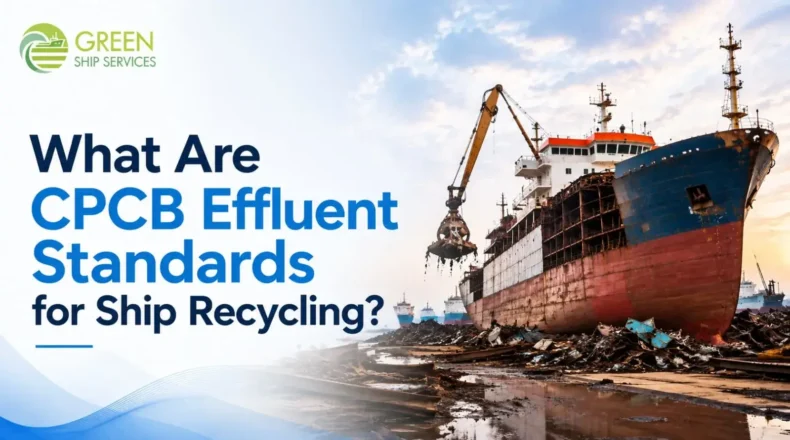
Ship recycling generates wastewater that may contain oil, heavy metals, suspended solids and other pollutants. Understanding CPCB ship breaking pollution control guidelines helps yards manage effluent responsibly and protect coastal ecosystems. What are the CPCB effluent standards for ship breaking? The applicable limits should be checked against current CPCB requirements and the specific consent conditions issued by the concerned pollution control authority.
Ship recycling in India is an environmentally sensitive industrial activity because dismantling vessels can generate oil-contaminated water, suspended solids, heavy metals and hazardous substances. Understanding CPCB ship breaking pollution control guidelines helps recycling yards control wastewater and prevent pollutants from reaching coastal and marine environments. CPCB identifies ship breaking as an industry with significant hazards to coastal and marine ecosystems, including pollution from oil, toxic waste, PCBs and heavy metals.
What Do CPCB Guidelines Require for Ship Recycling?
For Ship Recycling Service in India, environmental compliance is an essential part of responsible yard operations. CPCB identifies ship breaking as an industry with significant pollution risks, including oil, toxic waste and heavy metals.
Key compliance priorities include:
- Treating wastewater before permitted discharge.
- Preventing oil and hazardous substances from entering coastal waters.
- Monitoring relevant effluent parameters.
- Maintaining appropriate Effluent Treatment Plant (ETP) systems.
- Following consent conditions issued by the SPCB/PCC.
- Maintaining records of testing and environmental monitoring.
Ship Breaking Effluent Testing Services India
Ship breaking effluent testing services India can help operators assess wastewater quality against applicable requirements. Testing may cover parameters such as pH, suspended solids, BOD, COD, oil and grease and relevant heavy metals, depending on the consent and regulatory requirements.
| Compliance Area | Key Focus |
| Effluent treatment | Effective ETP operation |
| Water testing | Applicable pollutant parameters |
| Discharge | Consent-based limits |
| Oil control | Prevent marine contamination |
| Records | Testing and compliance documentation |
Ship Breaking Environmental Compliance Requirements India
The ship breaking environmental compliance requirements India can involve CPCB guidance, environmental legislation and conditions specified by the relevant State Pollution Control Board. CPCB materials also emphasize proper operation of treatment systems and compliance with permitted discharge conditions.
What Are CPCB Effluent Standards for Ship Breaking?
The term CPCB effluent standards for ship breaking should not be interpreted as one universal numerical table applicable to every recycling yard. Effluent discharge requirements can depend on applicable environmental standards and, importantly, the conditions contained in the Consent to Operate issued by the concerned State Pollution Control Board or Pollution Control Committee.
CPCB’s regulatory framework covers industrial pollution control, including wastewater discharge, hazardous waste management and pollution monitoring.
Therefore, a responsible Ship recycling Service in India should establish which standards, consent conditions and monitoring obligations apply to the particular facility before wastewater is discharged.
Why Is Effluent Management Important in Ship Recycling?
Ship dismantling can expose materials that may contaminate water. CPCB specifically notes that ship-breaking activities can release pollutants such as oil, toxic waste, polychlorinated biphenyls and heavy metals into water and seabed environments.
Poorly managed runoff or wastewater may therefore affect:
- Coastal water quality
- Marine organisms and aquatic ecosystems
- Soil and groundwater
- Workers and surrounding communities
- The environmental compliance status of the recycling yard
Effective wastewater management should be integrated into the entire ship-recycling process rather than treated as an activity performed only before discharge.
What Should Ship Recycling Effluent Testing Cover?
Ship breaking effluent testing services India can help facilities determine whether treated wastewater meets applicable regulatory and consent requirements. The exact test parameters should be selected according to the facility’s processes, consent conditions and applicable standards.
Common monitoring considerations can include:
| Monitoring area | Typical concern |
| pH | Acidity or alkalinity |
| Suspended solids | Sediment and particulate pollution |
| BOD | Biodegradable organic load |
| COD | Overall oxidisable pollution |
| Oil and grease | Petroleum contamination |
| Heavy metals | Metal contamination from vessel materials |
| Other pollutants | Process-specific or consent-based parameters |
Testing should be performed through appropriately competent laboratories, with sampling, preservation, analysis and reporting carried out according to applicable requirements.
How Does an ETP Support CPCB Compliance?
An Effluent Treatment Plant (ETP) is an important part of wastewater management where contaminated industrial effluent requires treatment. Depending on the wastewater characteristics, treatment may involve physical, chemical or biological processes.
A practical treatment system may include:
- Collection of contaminated wastewater.
- Screening and removal of larger solids.
- Oil and grease separation.
- Equalisation of wastewater.
- Chemical treatment where required.
- Filtration or other polishing processes.
- Testing of treated effluent.
- Permitted discharge or reuse according to applicable conditions.
The treatment process should be designed around the actual pollutants generated by the facility. Simply installing an ETP does not automatically establish compliance; the plant must be appropriately operated, maintained and monitored.
What Are the Ship Breaking Environmental Compliance Requirements in India?
The ship breaking environmental compliance requirements India extend beyond wastewater treatment. Responsible ship recycling requires coordinated management of water pollution, hazardous materials, solid waste, oil residues, workplace risks and environmental records.
Key compliance activities include:
- Obtaining and maintaining applicable regulatory consents.
- Following CPCB and concerned SPCB/PCC requirements.
- Maintaining an operational wastewater treatment system where required.
- Conducting prescribed effluent monitoring.
- Preventing contaminated stormwater from escaping the facility.
- Managing hazardous materials through authorised systems.
- Maintaining testing and disposal records.
- Following approved environmental management procedures.
CPCB also maintains systems relating to industrial discharge monitoring and online monitoring of industrial emissions and effluents, demonstrating the broader importance of documented environmental monitoring.
How Can Ship Recycling Yards Prevent Effluent Pollution?
Prevention should begin before wastewater reaches the treatment plant. Yards can reduce pollution risks through source segregation, controlled dismantling areas, proper drainage, oil-spill prevention and careful storage of hazardous materials.
Recommended Practices
- Segregate contaminated areas
Activities with a higher likelihood of oil or hazardous-material contamination should be managed separately from clean areas. - Control stormwater
Drainage should be planned so contaminated runoff does not bypass treatment or enter nearby water bodies. - Maintain the ETP
Regular inspection, preventive maintenance and process monitoring help ensure consistent treatment performance. - Test treated effluent
Routine laboratory testing provides evidence of treatment performance and helps identify deviations. - Maintain records
Sampling reports, maintenance records, consent documents and waste-management records should be organised for regulatory review.
Why Is Effluent Testing Important for a Ship Recycling Service?
For a professional Ship recycling Service in India, environmental testing provides more than a laboratory result. It creates measurable evidence that wastewater is being monitored and managed according to applicable requirements.
Testing can help identify:
- Unexpected pollutant concentrations
- ETP performance problems
- Oil contamination
- Heavy-metal concerns
- Changes in wastewater quality
- Potential non-compliance risks
A testing programme should be linked to the facility’s environmental management plan rather than treated as an isolated administrative requirement.
What Role Does CPCB Play in Ship Breaking Pollution Control?
The Central Pollution Control Board (CPCB) is India’s statutory pollution-control body established under the Water (Prevention and Control of Pollution) Act, 1974. It also performs functions under the Air Act and provides technical support concerning the Environment (Protection) Act framework.
For ship recycling, CPCB’s pollution-control framework is relevant to the management of industrial pollution and environmental safeguards. CPCB’s classification material specifically recognises ship breaking as an industry presenting hazards to coastal and marine environments.
However, facilities should not rely on a generic internet summary when determining their legal discharge limits. Current CPCB requirements and the applicable consent issued by the relevant SPCB/PCC should be checked for the specific facility. Check our Press release or News click: https://www.issuewire.com/greenship-services-welcomes-new-government-law-on-ship-recycling-with-innovative-asbestos-removal-and-ihm-techniques-1842780326190210
What Happens If Effluent Does Not Meet Applicable Limits?
If treated effluent fails applicable requirements, the facility should immediately investigate the cause rather than continuing normal discharge. Possible corrective measures include checking treatment equipment, identifying the pollutant source, reviewing chemical dosing, repairing malfunctioning units and repeating laboratory analysis.
Depending on the circumstances, regulatory authorities may require corrective action or take enforcement measures under applicable environmental laws and consent conditions.
This is why ship breaking environmental compliance requirements India should be managed proactively through monitoring, preventive controls and documented corrective actions.
Why Does Compliance Matter?
Effective compliance can reduce marine pollution, improve workplace and environmental safeguards, and support responsible ship recycling. A qualified Ship recycling Service in India provider can help yards understand applicable requirements, testing needs and environmental management practices. Check Client’s Reviews click: https://t.ly/CzS8s
Conclusion
Responsible ship recycling requires more than vessel dismantling; it requires effective wastewater management and documented environmental compliance. Greenship Services, led by Arjun Bannerjee, can support responsible practices by helping stakeholders understand testing, treatment and compliance priorities. Following applicable CPCB and SPCB/PCC requirements strengthens environmental protection while promoting safer, more sustainable ship recycling operations in India. Click on map link for visit physically: https://maps.app.goo.gl/34wxPckdgN68KaZGA
FAQs
What are the CPCB effluent standards for ship breaking?
The applicable effluent limits depend on the relevant regulatory requirements and consent conditions. Ship recycling yards should verify current CPCB requirements and their SPCB/PCC consent before discharge.
Is effluent testing required for ship recycling?
Environmental monitoring and testing may be required under applicable consent and regulatory conditions. Yards should follow their approved compliance programme.
Why is ETP important in ship recycling?
An ETP helps treat contaminated wastewater before its permitted discharge or reuse, reducing the risk of pollutants reaching surrounding water bodies.